
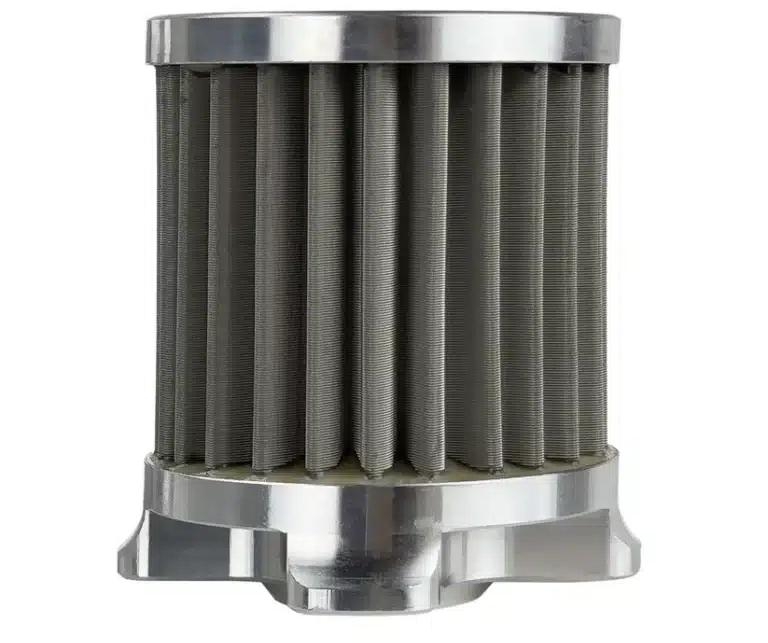
A Magnetic Filter Cartridge should be considered when the coolant in CNC machining is contaminated with metal fines or when traditional filter cartridges require frequent replacement. The concept of lifespan in Magnetic Filter Cartridges is completely different from that of polypropylene or activated carbon filter cartridges. It is practically never exhausted like consumable filter cartridges, but with replacement and maintenance cycles.
Magnetic filter cartridges are particularly relevant for equipment maintenance technicians and procurement engineers in machine shops. The lifespan, the need for regular replacement, and the differences between a general filter and a Magnetic Filter Cartridge will be explained below.
1. How Often Should a Magnetic Filter Cartridge Be Replaced?
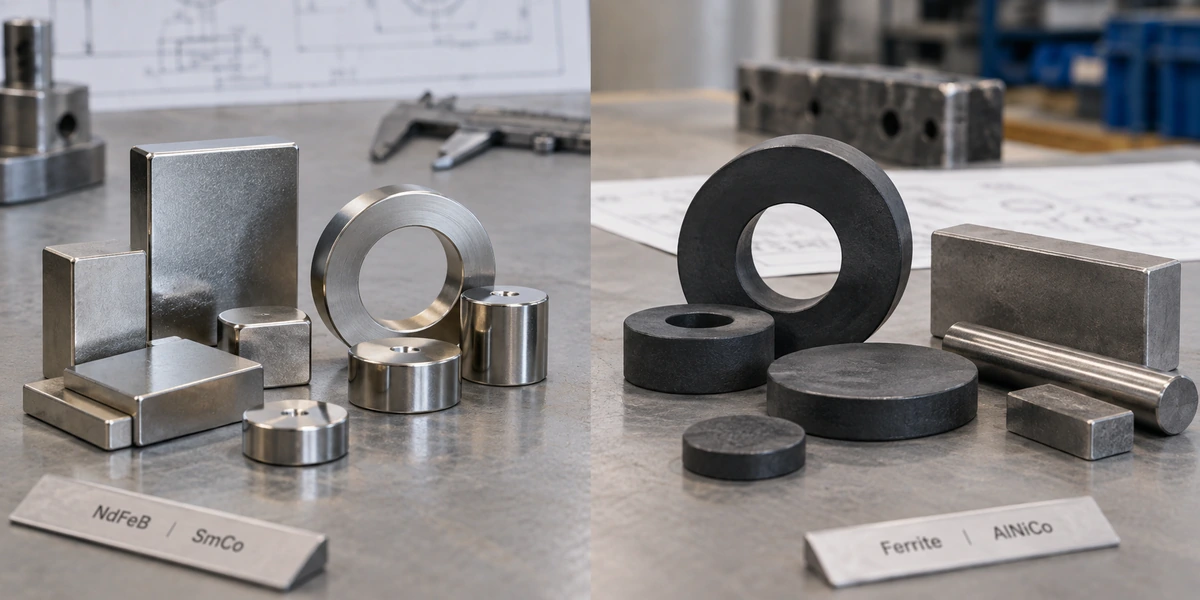
This question can be confusing because it depends on whether magnet itself or the filter assembly is asked. The magnet core, which is usually made of Neodymium or Samarium-cobalt, practically needs no replacement. The permanent magnet can retain its magnetic strength for decades and is comparable to the lifespan of the equipment, as long as it is not subjected to high temperatures or serious physical damage.
On the other hand, the components of the Magnetic Filter Cartridge, including the outer shell, stainless steel casing, and sealing ring, have an actual service life. The service life of these components depends on the usage intensity and environmental conditions. For example, the components are recommended to be inspected or replaced every 2-5 years under industrial environments with corrosive coolants or frequent assembly.
In contrast, the polypropylene cotton filter has a lifespan of only 3 to 6 months, and the activated carbon filter cartridge can be used for only 6 to 12 months. The value of the Magnetic Filter Cartridge is that it is not a consumable, but an equipment that requires a one-time investment with long-term use. Many factories use magnetic filters for pre-filtration to remove magnetic particles such as iron filings. It can reduce the replacement frequency of downstream traditional filter (such as paper filter elements or filter bags) and reduce the overall cost of filter consumption indirectly.
Compared to the traditional filter, the property of seldom requiring replacement is attractive to buyers assessing the magnetic filtration system. The initial purchase cost is high, but the savings on filter replacements can often return the difference within 1 to 2 years.
2. How Does a Magnetic Filter Work?
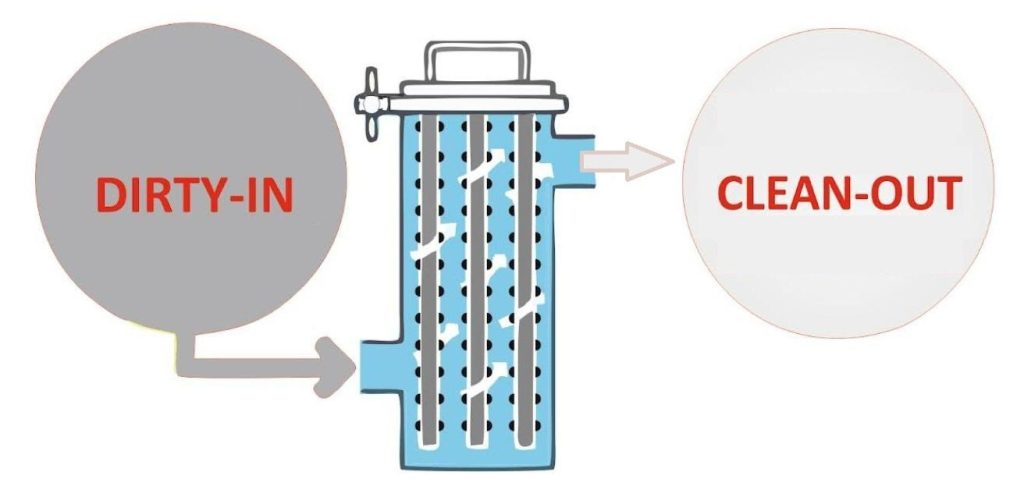
It is easy to understand the working principle of the magnetic filter. When the liquid containing ferromagnetic particles such as iron filings and steel powder flows through a magnetic filter, the particles are absorbed by strong magnetic fields. The clean liquid continues to flow through while the impurities are retained on the surface of the magnetic core.
A neodymium magnet is commonly used in the magnetic filter core. The strength of the magnetic field ranges from 2,000 Gauss to 11,000 Gauss, and it is able to adsorb sub-micron ferromagnetic particles. Dual flow technology is used in several premium models, which captures particles twice as the liquid passes through the magnetic core to improve efficiency.
It is worth noting that the magnetic field strength is not uniformly distributed. The magnetic field strength on the back of the magnet can reach up to 1,500 Gauss, while only about 7% of that strength may actually act on the liquid inside the cartridge. It indicates that besides magnetic strength, the design of the magnetic filter cartridge (such as the magnet arrangement and fluid-to-magnet distance) is more important. Even with strong magnets, a poorly designed system may result in reduced effectiveness.
Magnetic Filter Cartridges are mainly divided into two types. The first type is a static magnetic rod/core which place directly in the liquid flow and requires manual cleaning regularly. The second type is a rotating magnetic separator, which includes a continuously rotating magnetic drum and a scraper that can remove the attracted iron chips automatically, and is suitable for applications involving continuous production and high levels of impurities.
The unit of magnetic field strength (Gauss) is one of the reference indicators when choosing the type of Magnetic Filter Cartridge. The other indicators influencing the actual filter efficiency include the liquid flow rate, the contact time between the Magnetic Filter Cartridge and the liquid, and the track length of particles in the magnetic fields. Fine particles cannot be absorbed if the flow rate is too high. Therefore, some high-end systems are designed with multi-layer or extended flow channels to achieve a higher filtration rate.
3. Factors Affecting the Lifespan of a Magnetic Filter Cartridge
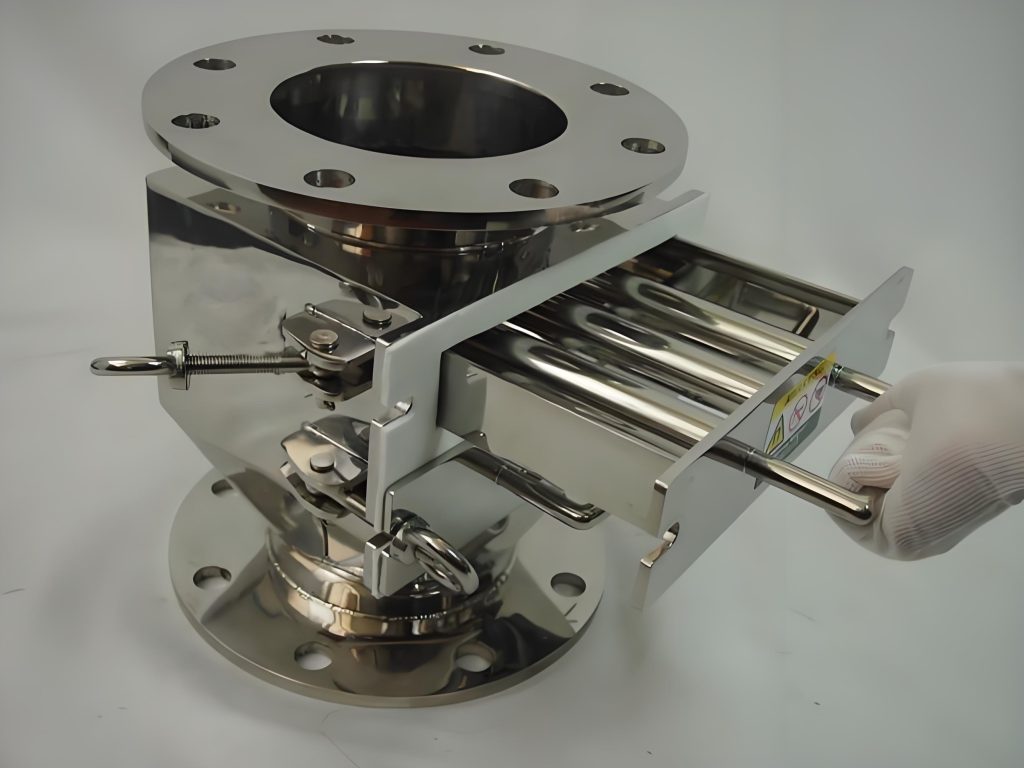
Degradation of the magnetic core itself rarely occurs. However, the actual lifespan and efficiency of the Magnetic Filter Cartridge are affected by the following factors.
Temperature: |
Thermal Demagnetization will occur in rare-earth magnets, especially Neodymium magnets, under high temperatures. The maximum operating temperature of a Neodymium magnet is around 80-150°C in which the magnetic force will decrease permanently if it is operated above this temperature. If the condition of application frequently approaches the maximum operating temperature, it is recommended to use high-temperature resistant magnets or Samarium-Cobalt (SmCo) magnets, which have a higher maximum operating temperature. |
Chemical corrosion: |
The casing of the Magnetic Filter Cartridge may be corroded due to the chemicals in coolants and cleaning fluids. Although stainless steel casing is able to withstand most chemical environments, it is still necessary to confirm the compatibility of the materials in the condition of strong acids or special chemicals. Otherwise, magnetic particle leakage or liquid ingress into the magnet may result from casing corrosion. |
Mechanical wear: |
During the regular manual cleaning of the Magnetic Filter Cartridge, the process of scraping off iron filings may cause wear on the surface. The outer protective coating may wear off after prolonged use, and replacement of the protective cover (not the entire magnet assembly) will be required. |
Impurities load: |
During the process of heavy grinding or casting, the ferromagnetic particles in the liquid are concentrated. The surface of the Magnetic Filter Cartridge will be saturated with impurities rapidly, and the efficiency will be reduced subsequently. A rotating magnetic separator will be preferred in this situation, as the automatic scraping mechanism can maintain the filter capability of the surface of the Magnetic Filter Cartridge. |
Physical impact: |
The internal crystal structure of a magnet can be damaged by physical impact or dropping, causing local demagnetization. Therefore, it is recommended to avoid collision or physical impact during the installation or removal of the Magnetic Filter Cartridge, especially the models with a high-strength magnet. |
Other than the above factors, the installation direction should also be paid attention to. Specific installation orientation may be required in some Magnetic Filter Cartridge (e.g., must be installed horizontally to ensure gravity-assisted impurity settlement). Even if the magnet itself is functioning well, the actual filtration effect may be significantly reduced if the installation orientation is incorrect. It is recommended to refer to the equipment manual before installation.
4. How to Replace a Magnetic Filter Cartridge?
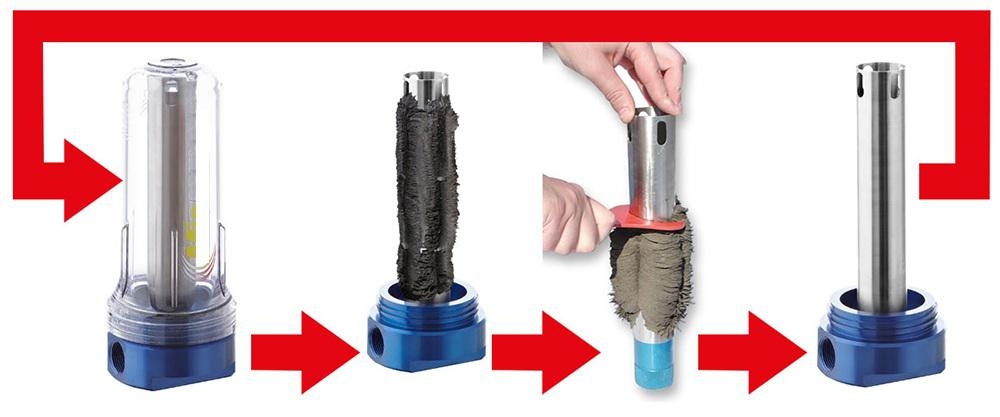
The Magnetic Filter Cartridge itself does not need to be replaced frequently. However, the replacement is required when the casing is damaged, the seal integrity is compromised, or an upgrade with a higher magnetic field strength is required. The general operating procedure is listed below.
Step 1: Turn off the power and release pressure |
Turn off the power to the equipment and ensure that the pressure in the liquid circuit has been released. For pressured system, open the pressure relief valve to prevent liquid splashing. |
↓
Step 2: Empty and drain residual liquid |
Drain the residual coolant or lubricating oil around the Magnetic Filter Cartridge to prevent liquid leakage and environmental contamination during disassembly. |
↓
Step 3: Remove the outer casing and mounting components |
Loosen the fixing screws or clips according to the equipment manual, then remove the old Magnetic Filter Cartridge. Avoid contacting the Magnetic Filter Cartridge with other metal tools during disassembly to prevent damage caused by accidental adsorption. |
↓
Step 4: Clean the installation location |
The mount and sealing surface should be cleaned thoroughly to confirm no metal shavings or old seal material are left, as the residues may affect the sealing effect of the new Magnetic Filter Cartridge. |
↓
Step 5: Install a new cartridge and check the seal |
The new Magnetic Filter Cartridge should be placed in the installation position with the correct direction, and tighten the fixing screws afterwards. It is also necessary to inspect and check for the need for replacement of the O-ring to prevent liquid leakage. |
↓
Step 6: Restart and test |
Restore the power and liquid circulation, and run the system for a few minutes to check for any leakages, and to verify that the magnetic filter is functioning properly. (Can be confirmed by observing the cleanliness of the downstream liquid or the amount of iron filings filtered) |
The replacement process will be slightly different for the rotating magnetic separator. It is necessary to check the drive motor and blade assembly for wear and tear instead of just replacing the magnetic drum. If the edge of the scraper is worn and dull, it is recommended to replace the cleaning blade even if the drum is still in good condition to ensure a high standard of automatic cleaning.
5. Can Magnetic Filter Cartridges Be Recycled?
The Magnetic Filter Cartridges can be recycled and are valuable as well. The recycling issue is gaining more attention as sustainable development is emphasized in the industrial sector. Rare-earth magnet (such as Neodymium Magnet or Samarium Cobalt Magnet) is the core component of the Magnetic Filter Cartridges. The extraction costs for these raw materials are high, with a great environmental impact. Therefore, the economic and environmental value of recycling rare earth magnets is high. Magnet recycling services are available in magnet manufacturers or professional recycling companies, which can reprocess the recycled rare earth material to produce new magnets, and reduce the dependence on newly mined rare earths.
The casing (stainless steel in most case) also has a high recycling value as stainless steel recycling is well-established with a nearly 100% recycling rate.
It should be emphasized that Magnetic Filter Cartridges should not be discarded with general industrial waste, as powerful magnets may attract other metallic objects during transportation and handling, which may lead to equipment damage or even safety hazards. The proper way to discard is to contact the magnet supplier or a specialized rare-earth metal recycler and follow the standard procedure for recycling.
This is also an additional consideration for buyers, as choosing a supplier with a clear recycling program can allow the equipment to be recycled after reaching the service life, instead of placing it in the corner of the warehouse.


 Turkish
  English
  Spanish
  French
  Italian
  Portuguese
  Arabic
  Chinese
  Vietnamese
  Thai
Thai  Japanese
  Korean