

Table des matières
Magnetism runs through everyday tech without making a sound – motors hum because of it, signals travel using its reach. What drives this invisible push or pull? The answer hides in how strong a magnet acts on things near it. Strength like this shapes whether magnets snap together or drift apart, even when nothing seems to touch. To grasp what happens inside devices or labs, knowing how we size up that power matters deeply. Numbers give it form, units make it clear, real uses bring it to life.
One reason confusion pops up? Different parts of magnetism use separate numbers. Not every measurement fits one size. Each value ties to its own label, based on what exactly you’re tracking. Jumping between SI and CGS setups adds tangles fast. Picture trying to compare apples that changed shape mid-thought. What seems steady shifts with context. Conversion paths exist but demand care. Calculations follow distinct rules per type. Real uses feel the ripple – sometimes subtly. Tools behave differently behind the scenes.
1. How strong is a magnet measured in what units
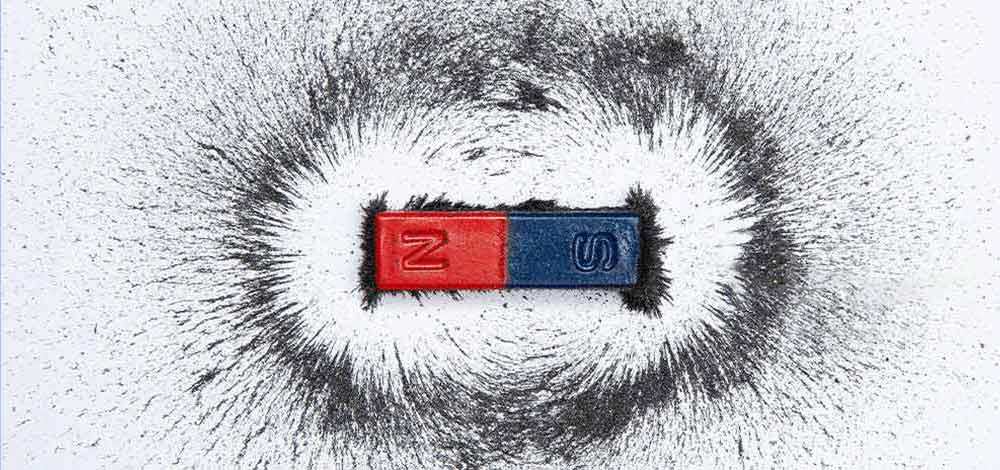
Looking at how strong a magnet acts means knowing there are different ways to talk about it, based on what you’re measuring. Often people look at things like how intense the field feels near a magnet, how tightly packed the invisible lines are, how much pull or push shows up, or how the object itself responds when placed inside a field. Units change depending on which one they pick to measure. Some go by amperes per meter, others use tesla, newtons, or even ampere-square meters without thinking twice. Each term fits a specific role, nothing more, nothing less.
B out there stands for magnetic flux density, a common way to gauge magnet strength. When scientists measure it using SI units, they go with tesla. A single tesla means an intense field – rare outside labs or heavy machinery. Common magnets? Their power usually sits somewhere in millitesla territory. What the number tells you: how tightly packed the field lines get within space.
H moves through space, shaping how magnets behave. Measured using amps divided by meters, it shows up wherever currents flow. Instead of tracking what happens inside materials like iron, H points back to where the push starts. Electric flows or charged bits locked in matter feed this invisible force.
A different measure shows up a lot when talking about magnetism – the gauss, part of the CGS setup. Ten thousand gauss add up to one tesla. Even though it’s been around longer, people keep using gauss in specific areas of science and industry, simply because it works better for weaker magnetic strengths.
What pushes or pulls magnets together shows up as a number in newtons (N). That measurement? It’s how every kind of push or pull gets counted in science. The strength you feel when magnets snap – or resist – is real motion, captured by that unit.
Out in the world of tiny forces, magnetic moment tells us how strong a magnet is and which way it points, using units called ampere-square meters (A·m²). When magnets face outside magnetic fields, this detail really starts to matter.
Connected in various ways, these units rely on one another – grasping how they interact makes handling magnetic setups more straightforward. What ties them together matters most when putting theory into practice.
2. The conversion formula between units of magnetic force strength of magnets
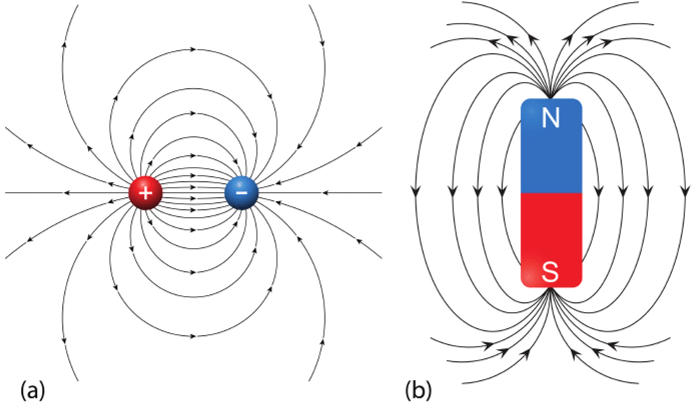
One reason folks juggle different magnetic measurements? Multiple systems exist globally. Switching back and forth becomes necessary more often than not. Most shifts happen when moving from SI to CGS frameworks. Tesla to gauss trips up users regularly. These two pop up together constantly across fields.
Exactly ten thousand gauss fit into a single tesla. That makes one gauss the same as zero point zero zero zero one tesla. When pulling data from various places, matching units becomes necessary. Old manuals or overseas vendors often use gauss instead of the metric standard. Understanding this shift helps align numbers without confusion. Precision matters most where measurements cross borders.
One way to look at magnetic field strength is through unit differences across measurement systems. When using SI, the value appears in amperes every meter. On the other hand, CGS expresses it in oersteds. Roughly speaking, each ampere per meter translates to just under 0.0126 oersteds. Meanwhile, one oersted lines up with close to 79.58 amperes per meter. Underlying these numbers are core principles of electromagnetism.
Besides that, a key link shows up when looking at magnetic flux density alongside magnetic field strength. Out in empty space, one ties to the other through an equation you might expect – but not quite like the usual ones
B = μ₀H
Besides being a fixed value, μ₀ stands for how easily a magnetic field passes through empty space. Roughly, it measures 4π times ten to the minus seven henries each meter. When you look at this formula, what appears is a clear link between flux density and field strength out in open air. The stronger the field gets, the greater the density becomes – nothing more, nothing less.
Handling stuff changes how things interact. What happens next depends on what’s involved. Each piece reacts differently when touched. The way they connect shifts with every touch. Interaction alters once contact begins
B = μH
Here, μ stands for how a substance responds magnetically – its behavior shifts sharply if it’s ferromagnetic, weakly drawn when paramagnetic, or slightly repelled as diamagnetic. That shift explains why certain substances boost magnetic influence strongly, whereas others barely change it.
When you know these conversion formulas, shifting between measurement systems feels natural for scientists and engineers. Accuracy in reading magnetic data hinges on this kind of flexibility. Smooth work happens when units make sense across fields.
3. How is the unit of magnetic force strength of a magnet calculated
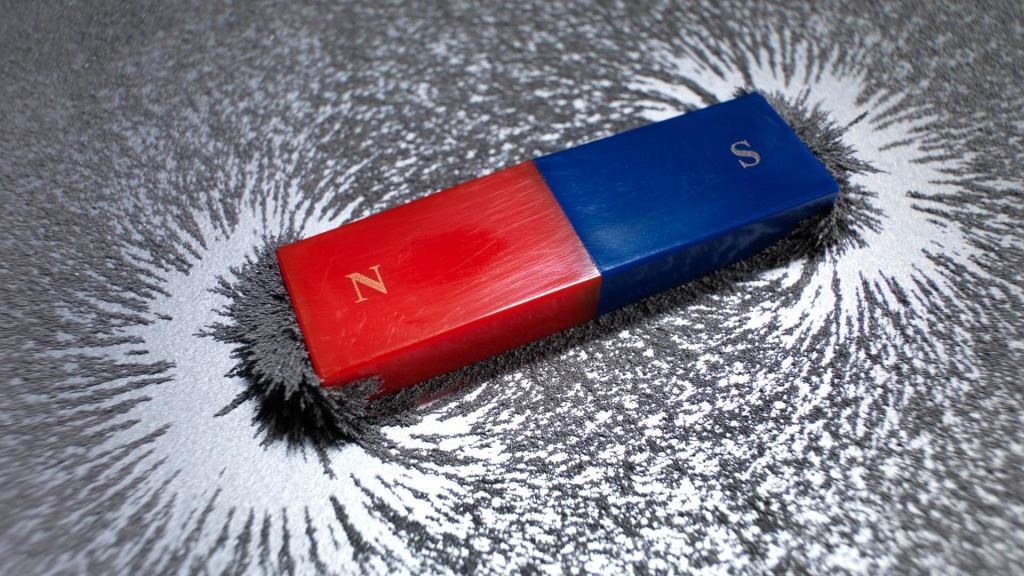
One way to figure out how strong a magnetic push or pull is means looking at exactly which part you’re measuring. Often, people care about the tug between a magnet and something it attracts – or when two magnets interact instead.
Magnetic force often comes down to how dense the field lines are. That push or pull a magnet creates on something nearby? It ties back to magnetic flux density. People sometimes get close enough with a straightforward math link. A certain equation shows roughly what that force looks like. The expression connects pieces without needing every tiny detail
F equals B squared times area divided by twice mu naught
Here, F stands for force measured in newtons. Moving on, B means magnetic flux density expressed in tesla. The letter A refers to the region where the field acts. Meanwhile, μ₀ indicates how easily a magnetic field passes through empty space. Engineers lean on this expression when guessing pull strength between a magnet and a surface.
Picture a tiny particle zipping through space, pushed sideways when it hits a magnetic zone – that shove comes from the Lorentz rule. Motors hum to life using exactly this kind of push, where whirling electrons get steered by invisible fields.
Out in the open near a wire, how strong the magnetic push gets ties directly to how much electricity moves inside. Take a long straight piece of metal carrying power – step farther away, feel less pull, all shaped by both flow amount and where you stand. Inside a coiled setup? The tightness of wraps matters just as much, along with how hard the juice runs and how stretched out the spiral sits.
Magnetic moment comes from multiplying current by the space inside a loop
m equals i times a
What makes electromagnets tick ties directly into this formula, while also shaping how we define lasting magnetic materials. Though different in function, both rely on its core principles showing up again and again. From setup to behavior, it sets the stage without needing extra explanation. Where one magnet needs power, another holds steady – yet their foundation stays identical. This single line of math quietly governs them both behind the scenes.
What these numbers reveal? Magnetic pull isn’t set in stone – it shifts depending on shape, what it’s made of, along with how much electricity flows through. Each piece plays a role, none acts alone, together they define the outcome.
4. The reference value of the magnetic force intensity unit of a magnet in application scenarios
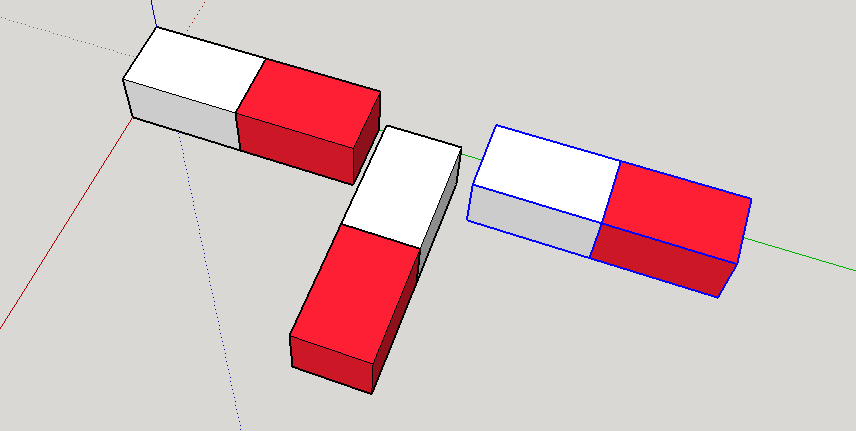
Out in everyday life, how strong a magnet is depends heavily on what kind it is and where it’s meant to work. Knowing typical numbers makes picking the correct one easier when matching to a job.
Most fridge magnets measure about 5 up to 10 millitesla in strength. Built for safety, they come off without effort – so naturally, they aren’t very strong.
Most factory-grade magnets, like those made from neodymium, show surface fields between 0.3 and 1.4 tesla. Because they pack a powerful grip, you’ll find them inside gearless drives, sorting systems for metals, or clamping tools on assembly lines.
MRI scanners use intense magnetic power, often ranging from 1.5 to 3 tesla – some newer models go beyond that. Because clarity matters in body scans, such powerful magnets make a difference.
Inside transformers and inductors, engineers manage the magnetic field strength – typically between hundreds and thousands of amperes per meter. Efficiency matters here, so levels stay high without pushing into core saturation.
Out in the open, Earth’s pull ranges between 25 and 65 microtesla, shifting with where you stand. Tiny magnetism shows up inside gadgets, usually counted in microtesla units. That natural background sets the baseline when building tools that sense invisible forces.
What works for one task might fail in another – magnetic strength needs careful adjustment. Performance matters, yet so do safety and energy use. Each situation shapes its own ideal level. Too much pull risks harm; too little loses effectiveness. Matching force to function keeps results reliable. Efficiency slips if settings ignore real-world demands. The right balance shifts depending on use. Design choices follow these practical limits. Not every job calls for maximum power. Adjusting ensures both control and consistency.
5. The influence of magnet strength on the application of magnets
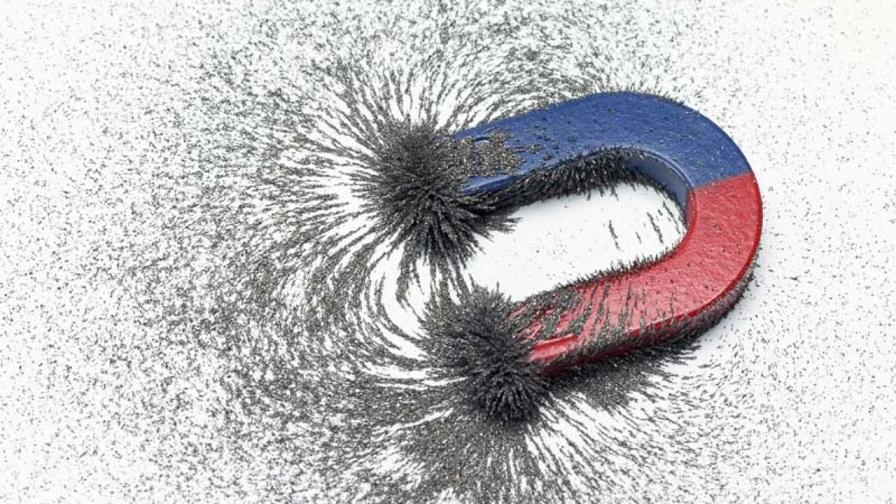
A magnet’s power shapes where it fits best. Too weak or too strong might mean things work poorly, become unsafe, or stop altogether.
Heavy-duty setups usually go for more powerful magnets since these deliver better grip and consistent performance. Take material handling gear or sorting units that pull metals from waste – stronger fields keep things locked in place or sort debris without slipping.
Still, more power isn’t automatically an improvement. When it comes to gadgets, too much magnetism might disrupt parts close by, causing errors or warped signals. That’s the reason precise layouts and protective barriers usually come into play when placing magnets inside delicate setups.
Every bit of magnet power shapes how well motors and generators work. When magnets pull harder, machines twist stronger, run smoother – yet everything gets pricier. Tougher builds often follow, simply because forces grow too intense to ignore.
When strong magnets are involved, care matters a lot. They might cause pinched skin or disrupt gadgets such as pacemakers. In items people buy and use daily, staying safe becomes essential – no surprise there.
When heat rises, certain magnets begin to fade. Neodymium ones tend to weaken faster than others under such conditions. Because of this behavior, where the magnet will live matters just as much as its power. Choices depend on more than strength alone – surroundings play a quiet but vital role.
What really matters is how strong a magnet can be – it shapes more than just pull or push. Performance shifts, efficiency changes, costs rise or fall, safety gets tied in, so does how long it lasts. When you grasp what those measurements mean, choices in building things or using them tend to improve. A clearer picture of magnetic power leads to smarter moves without guessing.
Conclusion
What you feel when magnets pull or push depends on more than just one number. It takes different measures – like how packed the magnetic lines are, how strong the field acts, what kind of shove it gives, and how it twists things into motion. Each part uses its own scale: some count in tesla, others in gauss; certain ones track amperes per meter, while forces show up in newtons. Together they map out how magnetism really works.
Starting off, switching measurements around helps make sense of magnet details across different uses. Because household gadgets rely on it just as much as big factory machines do, understanding pull power matters everywhere. From there, figuring out how materials respond to fields gives clearer results when testing tools. Since exact numbers guide decisions, reading benchmarks correctly becomes part of routine checks.
What hides behind each unit starts making sense once you see how they’re used. Picking the right magnet? That gets simpler when details come into view. Efficiency in design often follows, step by step. Mistakes that pop up again and again tend to fade. Force we cannot see still moves things in clear ways. How we measure it shapes what we can do. Full power shows only after numbers stop feeling strange.



 French
  English
  Spanish
  Italian
  Portuguese
  Arabic
  Turkish
  Chinese
  Vietnamese
  Thai
Thai  Japanese
  Korean