
Table des matières
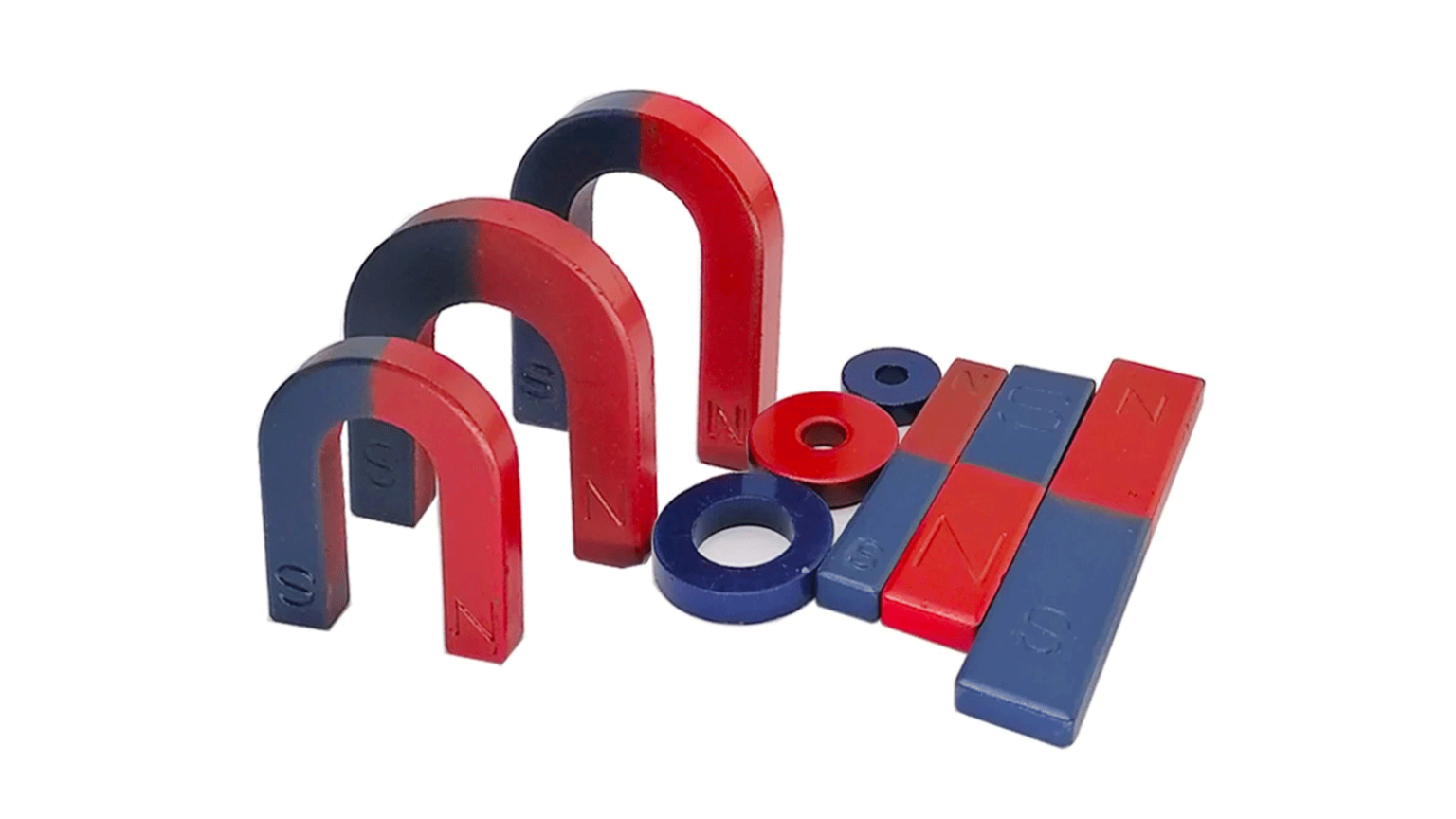
Out in the world of machines, permanent magnets show up inside motors, speakers, and gear that runs hospitals. Wind turbine tech relies on them too, just like tools that sort materials using magnetism or factories running without hands. When someone looks into cleaning these magnets, their real aim often ties to making the pull stronger. Sometimes it is about lasting longer before wear sets in. Rust prevention slips into the picture now and then. Other times, the worry centers around sudden breakdowns down the line.
Most times, tiny unwanted bits mess up magnets more than people expect. When stuff sneaks into materials, performance dips without warning. Reliability fades when dust or foreign particles stick around too long. Some find answers by watching how dirt builds during making processes. Others fix problems by cleaning earlier in the workflow. Watching each step closely cuts waste without slowing output. Stronger results often come from quiet changes behind the scenes.
1. How are impurities generated in permanent magnets?
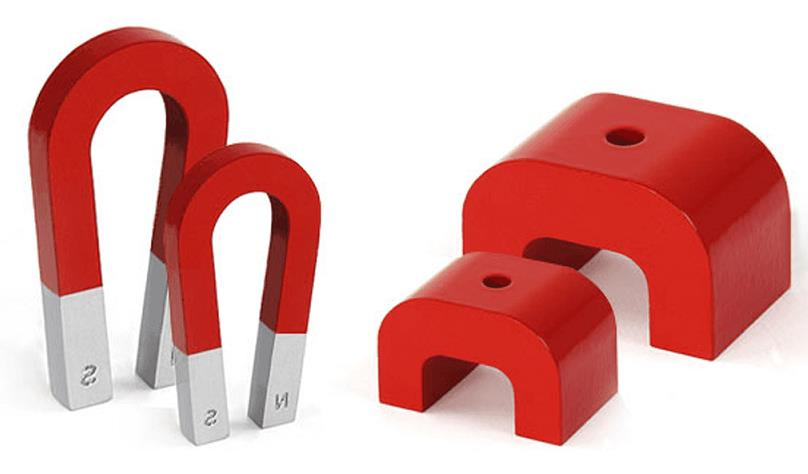
Pulling metal from raw ore takes heavy machinery, heat, and time. Though meant to be pure, tiny flaws sneak into the mix along the way, weakening what should hold strong.
Raw Material Contamination
Inside every strong magnet hides stuff like neodimium, samarium mixed with cobalt, ceramic-like ferrite, or alnico blends. When those base ingredients skip a careful cleaning step, stray atoms stick around where they should not be.
Some unwanted elements might show up – oxygen, carbon, sulfur, tiny bits of metal. A little goes a long way when it comes to affecting magnetism or how solid the material feels.
Impurities During Powder Processing
Some powerful magnets come from powdered metal methods. As powders get ground and blended, tiny bits of dirt, grease, or metal can sneak in.
Out of nowhere, tiny magnetic particles tend to grab unwanted stuff more readily. Especially during making neodymium magnets, dirt sticks without warning.
Problems During Sintering
Heat treatment of magnetic substances takes place under intense warmth. Without careful gas management inside the chamber, rust-like changes can appear.
When oxidation happens, oxygen sneaks into the magnet’s makeup. The strength of its pull drops because of this intrusion. Fragility rises at the same time, making it more likely to crack under stress.
2. What are the effects of using permanent magnets containing impurities?
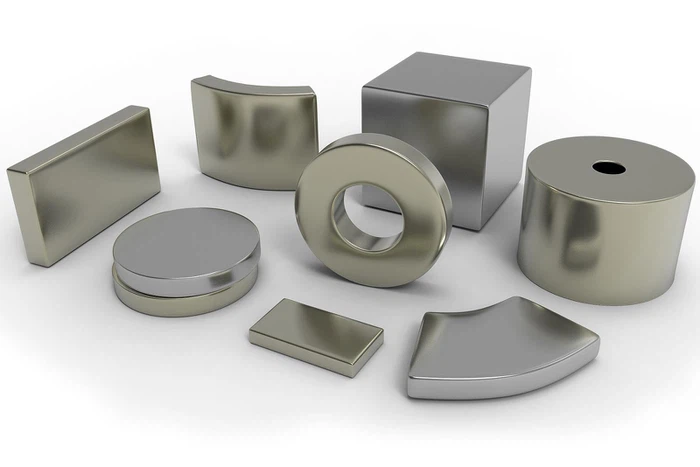
Dirty materials lower how well magnetic items work. When factories use tainted magnets, problems often show up in function and dependability.
Reduced Magnetic Strength
Most times, the main issue shows up as a drop in magnet strength. Because tiny foreign particles get in the way, the internal magnetic regions can’t line up properly.
So the magnet fails to produce the intended field strength. That cuts performance across motors, generators, and electronics.
Increase in Corrosion Risk
Faster rust appears when unwanted elements mix in. Neodymium magnets face greater risk since they corrode easily on their own.
Cracks start to show on the magnet’s face once rust sets in. Little pieces begin breaking off as the years go by. Downward goes the strength of its pull, bit by bit.
Shorter Service Life
Most permanent magnets degrade more quickly when they’re dirty. Cracks inside set up spots where pressure builds, making the magnet brittle over time.
Failing under heat or constant shaking hits magnets hard. Problems in machines tend to follow when that happens.
Poor Product Consistency
What matters most to factories is precision in every magnet they receive. When contaminants are present, one batch might work fine – another fails without warning.
Faults creep in when production runs lose consistency. Because motors stumble on checks, sensors sometimes won’t pass, nor do magnetic parts always meet standards.
Higher Maintenance Costs
Magnets that carry dirt might harm things close by or make machines work slower. Because of this, crews could find themselves swapping out pieces more frequently.
Machines sit idle longer when problems arise, boosting maintenance costs. A tiny magnetic glitch inside smart plants might pause output without warning.
3. How to remove impurities from permanent magnets
Most times, how you clean a magnet relies on what kind of dirt is stuck to it. Different methods work together when companies want things cleaner.
Surface Cleaning
Most times, dirty surfaces bring simple fixes. Removing dust, oil, grease, or rust usually happens during washing steps. Yet it works well when done right.
Starting fresh, wiping down industrial gear often leans on alcohol-heavy liquids or high-frequency sound baths. While they tackle grime, magnets keep their pull intact through the wash cycle.
Mechanical Polishing
Out of rough spots comes a cleaner finish when machines work over corroded areas. Smoothing happens as gritty pads pass across the face of the material, peeling away damaged zones layer by layer.
Most big factories rely on this method for making strong magnets. Still, going too far with smoothing the surface can mess up how precisely it fits together.
Ultrasonic Cleaning Technology
From deep within factory lines, ultrasound clears microscopic dust between magnet layers. These invisible ripples form minuscule bursts, reaching spots brushes miss.
When tiny magnets in gadgets or hospital tools need a clean, this way works best. Surface stays safe even as grime gets lifted away.
Chemical Treatment
Most rust vanishes when hit with certain liquids. Whether acid or base gets used hinges on what the magnet is made of.
Too long in harsh solutions risks eating away at shield layers. Right timing matters just as much as what comes next – washing off residue thoroughly, then letting surfaces air fully before moving on.
Heat Treatment with Vacuum Processing
Heat applied just right takes out certain unwanted elements. Inside vacuum furnaces, gas escapes more easily while magnet-based substances stay protected from rusting air.
Most top-grade neodymium magnets rely on this technique. With air removed, less oxygen sneaks into the mix – purity climbs as a result.
4. Can magnetic filters remove impurities from permanent magnets?
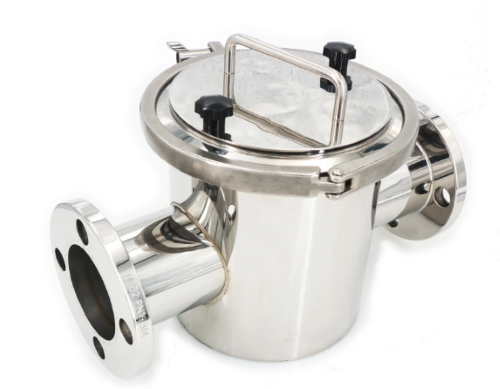
Magnetic filters matter a lot when making things with magnets or cleaning materials. Still, plenty of buyers get confused about what they actually do.
Iron bits get pulled out early by magnetic filters when making magnets. Because of this step, what goes into forming the magnet stays cleaner. Before shaping begins, unwanted metal dust is already gone. Purity rises since stray particles never make it through.
Early cleanup during making helps factories build tougher, steadier lasting magnets.
Limits of Magnetic Filters
Still, magnets miss some stuff. Things like oil or sulfur stick around, even after filtering. Oxygen? It stays too. Chemical leftovers won’t budge either. Metals get caught – other gunk slips through.
Deep within the magnet, certain contaminants settle early on. When that happens, wiping the outside won’t fix what’s underneath.
When magnetic filters work best
When metal bits float freely, that is where magnetic filters shine. Systems making powder or using coolant liquids? They usually gain an edge with this setup.
Out back, where neodymium magnets take shape, plants often run fluid through a series of magnetic filters. Each stage catches stray particles that might throw off performance. Clean flow means fewer surprises down the line. One speck less equals one problem avoided. These setups aren’t flashy, just steady. Step by step, magnetism polishes magnetism. Precision hides in the repetition. Nothing dramatic – just better output, quietly earned.
Filter Strength Matters
A magnetic filter works better when the field it produces is intense. Finer debris gets pulled in more easily if the magnet inside uses rare-earth materials.
Fine particles can slip through poor filters without being caught. That’s the reason tougher, industrial models get picked where exact results matter.
5. Can impurities in permanent magnets be completely removed?
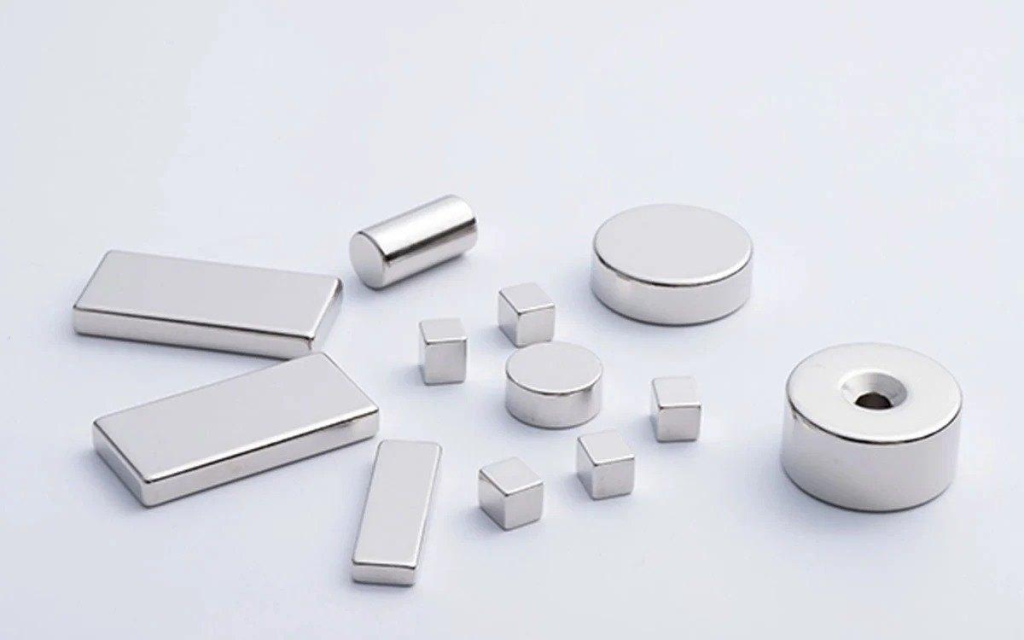
Out of reach? Full purity in permanent magnets almost always stays that way. Instead, most operations aim lower – cutting pollutants just enough to meet standard factory needs.
Impurities Integrate Into the Framework
Inside the crystal, some impurities get locked during sintering. Because they form part of the structure, taking them out completely might not happen.
Focusing less on later fixes, makers aim to reduce impurities early in the process.
Purity Standards Differ Across Industries
Some fields need cleaner materials than others. For instance, everyday gadgets can handle small impurities. Yet when it comes to planes or medical tools, even tiny flaws won’t do. Precision becomes non-negotiable there.
Fine-tuned magnet uses often demand tighter checks on quality alongside more controlled, spotless manufacturing settings.
Stopping problems before they start works better than fixing them later
Stopping problems before they start matters a lot here. Getting ahead of contamination beats fixing it after things go wrong – clean setups cost less in the long run.
Pure materials sit inside machines that move without human touch. Dust stays out because air flows through tight filters. Suction lines pull particles away before they settle. Rooms stay spotless with robots doing the work.
Advanced Manufacturing Enhances Purity
Out of today’s high-tech workshops come powerful magnets shaped by intense heat inside sealed chambers. These spaces stay free of oxygen so materials do not degrade during forming. Machines move fine powders without human touch through tightly controlled paths. Coatings go on evenly thanks to robotic arms that never slip. Each step locks in strength and consistency before the next begins.
Out of nowhere, these tools sharpen how clean and strong magnets can be. With tighter production rules over time, junk inside them shows up less often.
Quality checks happen regularly
Finding hidden flaws? Machines scan materials using X-rays, light patterns, or tiny-scale views. Because quality shifts over time, checks happen again and again on schedule.
Most problems start small. Catching weak magnets early keeps them out of critical systems. Think aerospace or medical gear – mistakes there cost more. Fix it before shipping, that way trust stays intact.
6. Here are 5 recommended factories that produce high-quality permanent magnets.
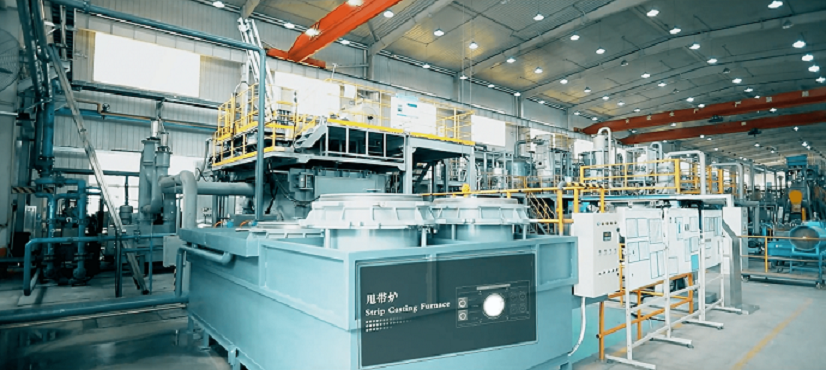
When buyers hunt for ways to cut impurities, they tend to land on strong magnet sources too. A solid maker means fewer mess-ups right at the start. What sticks matters more than most think.
Hitachi Metals
Out of nowhere, this firm built a name using smart work with rare-earth magnet science. Not just any setup – their production lines care deeply about clean materials, along with powerful output for heavy-duty uses.
Magnets head out globally, serving cars, gadgets, machines – built where motion meets power. Shipped far, fitted into systems that push and turn. From assembly lines to circuit boards, they anchor function wherever strength must stay silent.
TDK Corporation
Ferrite magnets roll off TDK’s production lines alongside rare-earth versions, both feeding into electronic devices. Quality checks shape every stage because standards matter deeply here. Precision isn’t claimed – it shows up daily in how parts are built.
Out in the open, their magnets find a place inside sensors, then show up again in hard drives, while slipping into electric vehicles too.
Shin-Etsu Chemical
Among global makers of neodymium magnets, Shin-Etsu stands near the top. Heavy spending goes toward refining methods that push purity limits – sintering processes evolve just as fast.
Built right into power-saving engines, their items also show up across top-tier gadgets. Most rely on them without even knowing it.
Technologies magnétiques Arnold
From tiny sensors to powerful motors, Arnold Magnetic Technologies builds permanent magnets used across aerospace, defense, medical devices, and industry. Tough by design, their components hold up under extreme conditions. Precision shapes each part, ensuring reliability where performance matters most.
Whatever the challenge, magnets shaped to fit show up where they’re needed most. Tough jobs get smarter fixes without extra bulk slowing things down.
FUSION SOUS VIDE
Out of cleanrooms and tight tolerances, VAC builds powerful magnetic materials. Efficiency drives every step – each part shaped with care for peak performance.
From wind farms to factory floors, their work supports clean power, car makers, one machine at a time. While some focus on speed, they build systems that last, quietly moving parts where needed most.
Conclusion
Out of nowhere, tiny flaws inside permanent magnets might weaken their pull. Service span tends to shrink when unwanted stuff shows up. Equipment running on these magnets could act up more often than needed. Stuff that does not belong might sneak in while materials are being readied. Powder handling opens another chance for dirt to mix in. Heat treatment stages? Another weak spot. Machining steps carry risks too. Even sitting around unused won’t keep them clean forever.
Some makers rely on ultrasound baths instead of just wiping parts down. Chemical dips help pull out tiny particles factories might miss otherwise. Magnets pass through special filters that catch leftover metal dust during assembly. In some cases a vacuum seals components before they leave the workshop.



 French
  English
  Spanish
  Italian
  Portuguese
  Arabic
  Turkish
  Chinese
  Vietnamese
  Thai
Thai  Japanese
  Korean