
目录
Magnets show up everywhere – factories, gadget assembly, scrap sorting, machine control. They grab, move, sense, pull apart metals using invisible push and pull. Hard to tell just by looking, but folks often think these blocks need no care once set in place.
Few people notice how a magnet weakens when left near heat or moisture. Bumping them around speeds up wear just as much as damp air does. When stored poorly, tiny cracks form inside over time instead of staying solid. A steady drop in pull power follows unless conditions improve.
1. What are magnetic products?
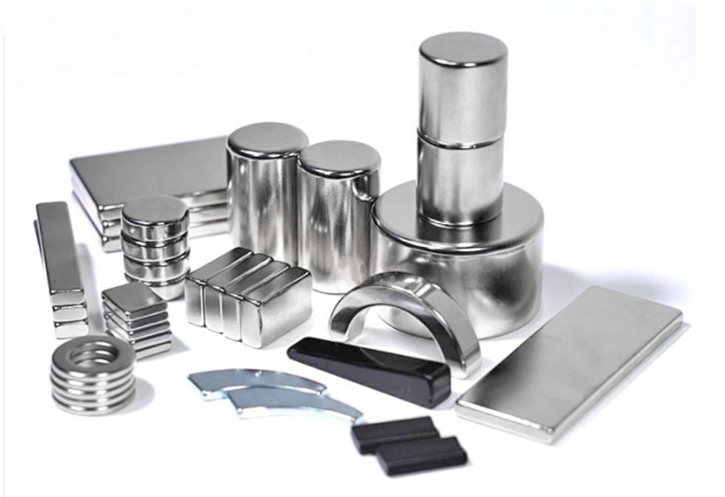
From fridge magnets to heavy machinery parts, magnetic items work by pulling certain metals close. Iron sticks to them easily, also nickel, plus cobalt when conditions allow. Built using substances that naturally create invisible fields around them. Found everywhere – in basic household gadgets or complex factory equipment alike.
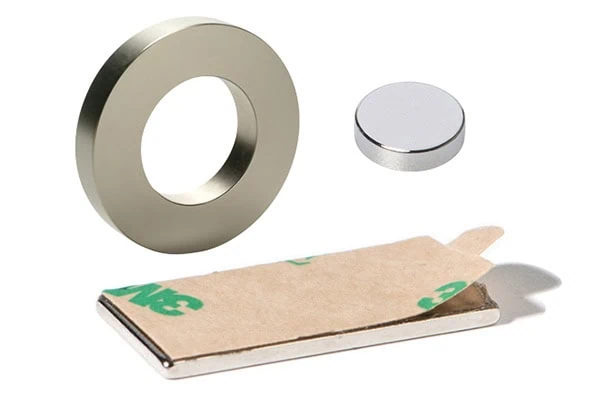
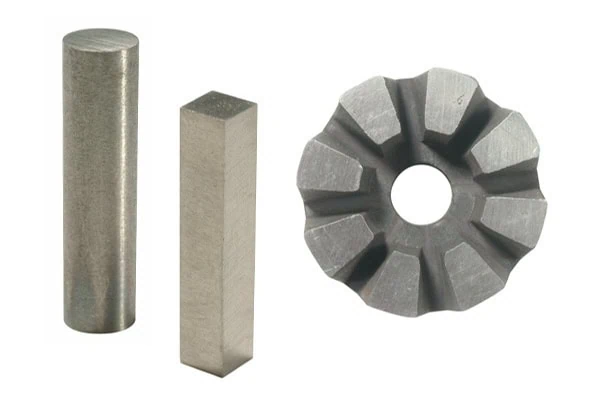
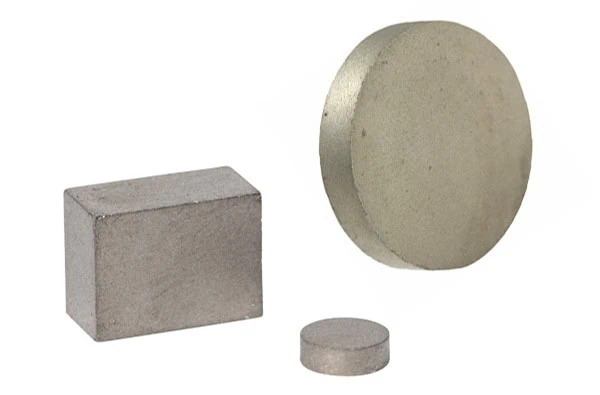
Ferrite, neodymium, along with samarium cobalt and alnico make up today’s usual magnetic materials. Crafted through precise methods, these magnets serve distinct roles. Strength varies across kinds, also influenced by heat tolerance. Corrosion resistance appears uneven when comparing one to another. Built not all alike, each answers specific needs in performance.
Magnets play a key role across countless factory operations. From raw material intake onward, these tools pull stray bits of metal out before things go wrong. Workers rely on them daily because they make shifting thick steel beams far less risky. Instead of struggling by hand, teams handle massive loads using invisible forces that hold tight without straps or hooks.
2. The Importance of Maintaining Magnetic Products
Even though magnetic items seem tough, weather and how they’re used can wear them down. If care is skipped, their pull weakens, parts crack, or they simply fail to work right. Taking time to look after them keeps things running without surprise hiccups.
Magnetic Strength Preservation
Heat, impacts, or reverse magnetism might slowly drain a magnet’s power. Keeping magnetic items well cared for helps hold their pull steady. A slight drop in strength matters when machines depend on reliable operation.
A fresh look now and then shows if magnet strength is slipping. When someone keeps track of how well the magnets work, they stay reliable over time. That way, key equipment avoids unexpected drops in function.
Stopping Rust and Surface Wear
Exposed to damp air, neodymium magnets start to corrode fast once their coating cracks. When rust forms, the magnet loses strength over time. Nearby parts might suffer too, especially if flakes spread. Not every magnetic material reacts this way, but some fall apart quicker than expected.
A fresh coat now means fewer worries later on the surface. When moisture stays away, magnets hold up better over time – especially if strong chemicals never touch them. Spotting worn spots early keeps rust from moving further.
Maintaining Equipment Efficiency
Sometimes machines rely on magnetic parts to work properly. When dust or tiny bits of metal stick to those magnets, they might not pull as strong. A weaker magnet could cause delays in factory operations.
A fresh wipe now then a quick check keeps magnets working right. Machines run smoother if those magnets stay spotless and lined up just so. Fewer hiccups during work means things move faster through the day. Productivity climbs when nothing slows down.
Ensuring Workplace Safety
Cracks might show up when magnets take too much stress. Even a small shift in position changes how safely these tools work. Powerful force comes out of industrial lifters – control matters every second. Failure happens quietly, then suddenly, when parts break free. Misalignment isn’t just wear – it’s risk building slowly. People get hurt before warnings arrive sometimes.
3. Maintenance measures for magnetic products
Start wiping down magnets often. That way moisture stays out plus rust does not start. Think about storage next – keep them dry, away from heat too. Every few months check seals on housings; cracked ones let dust slip through. Handle each piece gently during setup so parts stay aligned right. Over time small habits like these add up without extra effort.
Keep magnetic surfaces clean regularly
When magnets work, tiny bits of metal stick to them without warning. Little by little, gunk piles up – slowing things down more than expected. A wipe now and then stops junk from messing with strength later. Dust never quits trying to settle, yet a quick clean keeps pull power steady.
Frequently, a gentle wipe with a soft cloth keeps things safe. Instead of scrubbing, try patting motions to avoid damage. Protective layers suffer when rough tools come near them. That kind of wear often leads to early failure. Long life comes not from force but care in every touch.
Temperature Control and Monitoring
Heat changes how well magnets work. Above a certain point, every magnet starts losing power. Too much warmth might damage them forever. Some types never recover once overheated. Performance drops when things get too hot. Staying cool helps keep their pull strong. Once weakened by heat, they stay that way. Running past limits brings lasting effects. Higher temps often mean lower output. Their strength fades if conditions exceed design.
Cool operation supports consistent results. Overheating leads to irreversible loss. Material choice matters under stress. Each kind handles heat differently. Limits define safe working ranges. Pushing beyond invites decline. Durability depends on staying within bounds. Exposure above threshold causes harm. Longevity ties closely to thermal control. Function weakens with rising degrees. Keeping below max keeps function intact.
Store Correctly Protect From Environment
Even when sitting idle, magnets need a dry spot to stay safe. Water plus harsh substances might eat away their coating, inviting rust. Keeping them stored right means less harm from surroundings.
Away from powerful outside magnets is where they belong. Over time those outer forces can shift how a magnet holds its charge. Wrapping them carefully keeps their strength steady.
Preventing Mechanical Damage
When dropped, a powerful magnet might snap – its inside structure too stiff to bend. Hitting one hard leads to tiny breaks, sometimes unseen at first glance. Cracks change how well it holds onto metal over time. Broken pieces flying off could hurt someone nearby.
Magnets stay safe when handled with attention. Bumping them into one another or solid objects causes harm. Slipping a spacer between them works well – keeps things apart without effort. Protection begins with small steps like these.
Monitoring Magnetic Strength
Little by little, magnets can fade in power as years go by. Because strength shifts matter, experts check them often. When drops show up, teams step in ahead of trouble. Equipment stays stable when warnings come sooner rather than later.
Out of nowhere, precise tools pop up to track how strong a magnetic field really is. When checks happen often, magnet behavior stays inside safe zones. Spotting small changes early keeps machines from shutting down without warning.
4. How to determine if a magnetic product needs to be replaced?
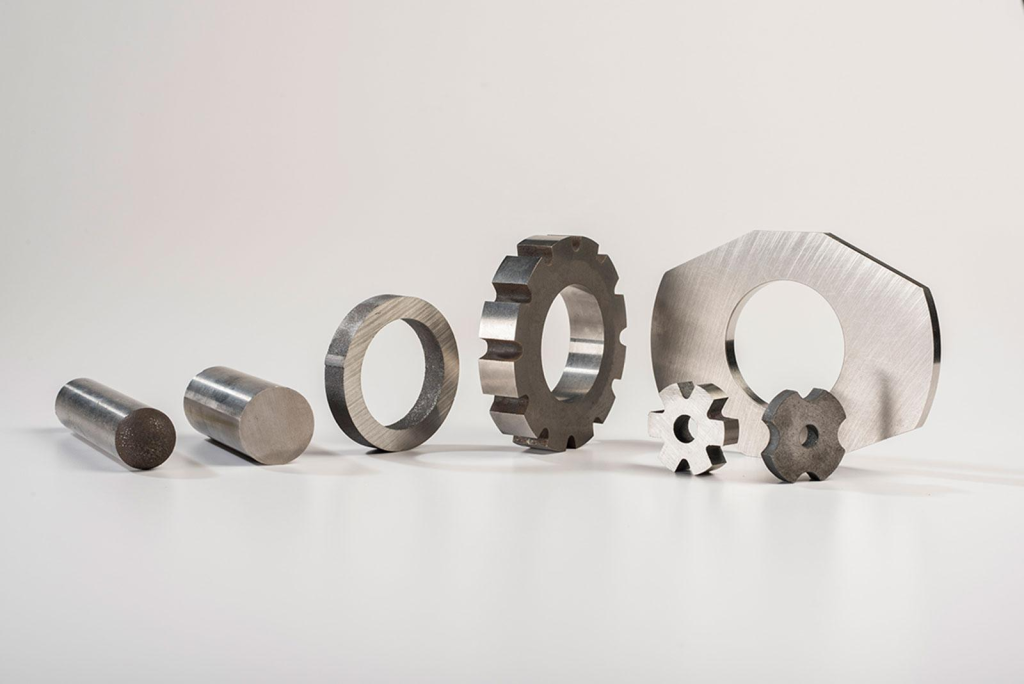
Every now and then, magnets weaken – no matter how well you care for them. Out in the open, weather plays a part, just like constant use does. Little changes show up before bigger issues arrive. Spotting those early hints keeps machines running without surprise stops.
Reduced Magnetic Grip Strength
Not quite as strong as it once was – that’s often how you notice a magnet fading. When everyday metal items slip free when they wouldn’t before, something inside has likely shifted. Equipment expecting steady pull might start acting unpredictably without that consistent grip underneath.
Not working as strong? That dip in pulling force might mean the magnet’s wearing out. When bits of metal don’t separate cleanly, it’s likely near its limit. Getting a new one could bring things back up to speed.
Visible Physical Damage
When you spot cracks or chipped parts, it is time to swap out the magnet. A break in the surface messes up how the material holds strength. Uneven magnetic output often follows if the piece has taken a hit.
When cracked magnets stay in use, problems might follow. Spotting harm by looking closely now means fewer surprises later. Out with the broken ones, in with new – things run smoother that way.
Corrosion and Surface Damage
Starting to rust? That shiny coat on the magnet can hide slow damage underneath. When moisture gets past the surface, it eats into inner layers over time. If that core weakens, the whole piece might crumble slightly under stress. Fixing it after deep decay sets in usually takes more effort than expected.
Patches of rust start small when protective layers fade. As the shield weakens, metal underneath begins to change. A magnet might still work even if edges darken. Spotting shifts early means fewer headaches later. Once rot creeps too far, swapping it out becomes the only path. Survival often depends on how fast you notice.
Equipment performance drops
When magnets weaken, machines start acting up. Take a separator that misses bits of metal it used to catch. A chuck might let go when you least expect it. Weak grip shows something inside has worn down.
Spotting trouble early means watching how gear runs. If devices start slowing down, it is time to check the magnets. Most times, swapping out dull magnets brings things back up to speed.
Extreme Heat Exposure
Fires too hot and magnets fail for good. Running past the max heat shifts what’s inside them. That shift means less pull, every time. Heat wins, magnet loses.
Magnets left too long in extreme heat might require replacement. When things get hot, their strength can slowly fade over time. Keeping an eye on how they’re used makes a difference in avoiding harm from warmth.
Not just about spotting worn magnets, some people question if only experts can handle upkeep. Sometimes it’s more than timing – experience might matter too. Yet others find they manage fine without outside help. Truth hides where routine meets skill level. Still, uncertainty lingers around who should touch what.
5. Do magnetic products require maintenance by specialized personnel?
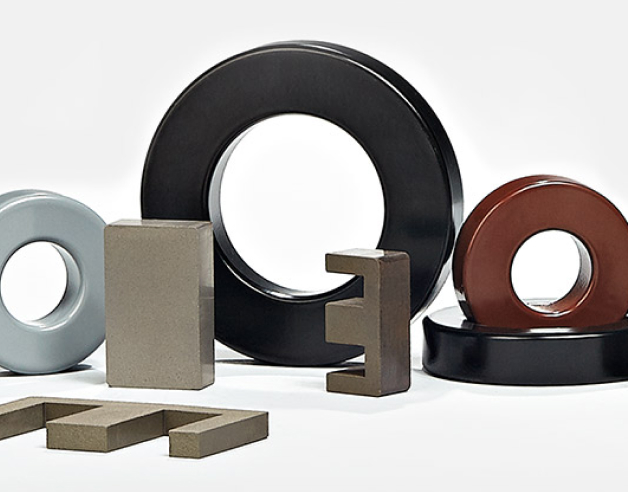
Not every magnetic item needs the same care – how it works shapes what upkeep looks like. Trained staff might handle straightforward checks, whereas trickier jobs call for certified experts. Knowing who should do what keeps things running without risk or wasted time.
Routine Maintenance by Equipment Operators
Most of the time, people running the machines take care of simple upkeep. Wiping down magnets falls under their usual duties, while also looking out for cracks or wear matters just as much. Handling things correctly follows close behind in importance. Small efforts like these tend to stop frequent issues before they start.
Most folks handling magnets know the rules keep things running smooth. Spotting small changes now means fewer headaches later. When checks happen on time, fixes stay rare and cheap.
When Professional Technicians Are Needed
Magnets in machines sometimes need expert handling because of wiring or sensors inside them. When setups get tricky, workers with special training take care of adjustments without risk. Safety around complex gear often depends on knowing exactly how parts interact under pressure.
Tools made for specific jobs come into play during some upkeep tasks. Measuring magnetic fields, along with adjusting systems, usually depends on gear only experts have. Workers trained for precision make sure nothing gets done wrong.
Safety Checks on Industrial Magnets
Frequent checks on big magnets used for lifting or sorting keep things safe. Since powerful magnetism drives these machines, close watch is needed. Experts stepping in reduces the chance of something going wrong.
Inspecting gear? That is when technicians look at how parts are mounted, wiring, plus magnet power. Safety hangs on these reviews. Workers stay unharmed because machines get checked often. Machinery lasts longer under routine care.
Smart checks and speed tests
Most times a dip in magnetic system output points to hidden flaws. Tools built for deep analysis step in when basic checks fall short. Field strength readings often expose what standard methods miss. Odd patterns caught during scanning clarify why efficiency drops occur.
Professional Remagnetization Services
A few times, old magnets get their pull back when they’re zapped again. Equipment built just for this job resets the tiny parts inside that make magnetism work. These fixes only happen where settings are tightly watched.
Fewer magnets actually respond well to remagnetizing. Still, if conditions allow, doing so might prolong the life of specific devices. Experts trained in handling such tasks take care of it without risk.
Summary
Out there in factories, gadgets, waste sorting, even robot systems – magnets pull constant duty thanks to steady invisible pushes they create. Looks foolproof? Maybe. But toss one into steamy air, drop it, bake it under a hot sun, or coat it in grime, and things shift fast. Peek beneath the surface of how these bits actually behave – and suddenly keeping them working makes sense.
Every now and then, checking how things are holding up helps keep magnetism strong. Wipe down the surface when dust builds up – this stops rust from starting. Heat changes matter more than most think; keeping temps steady avoids weakening. Stored right, away from shocks or damp spots, they last much longer. Running smooth means fewer hiccups later on.


 Chinese
  English
  Spanish
  French
  Italian
  Portuguese
  Arabic
  Turkish
  Vietnamese
  Thai
Thai  Japanese
  Korean