目录
Out of today’s industrial tools, powerful magnets play a key role – neodymium types lead the pack. What makes NdFeB different is its intense pull despite small dimensions, working smarter instead of harder. Most people looking up this subject want a straightforward answer: can you get strong results without overheating, yet keep prices low? Because rare earth metals aren’t cheap – or easy to replace – understanding their role helps shape what gets bought. Diving into these choices reveals where confusion often sneaks in. Details matter most when assumptions run high.
1. What rare earths are there in NdFeB magnets?
Magnets made from neodymium rely on an alloy packed with rare earth metals. Still, their makeup can change more than most think. One rare earth fits one job, chosen only when it fixes a particular issue.
Neodymium (Nd)
Most of the magnet’s power comes from neodymium, which builds the key structure known as Nd₂Fe₁₄B. This compound drives the strong pull seen in these magnets. When neodymium runs low, the material loses its ability to stay strongly magnetized.
Praseodymium (Pr)
Starting with praseodymium means less neodymium is needed, yet magnets stay strong. Sometimes, materials last longer when exposed to air because of it. Worth keeping around – not just for saving money, but also for lasting power.
Dysprosium (Dy)
Heat can weaken magnets, but dysprosium helps them stay strong. The element changes how crystals line up inside the material, resisting shifts in magnetism. Motors that run hot depend on this shift to keep working. Flipping the structure just right keeps performance steady.
Terbium (Tb)
Stronger than dysprosium when boosting coercivity – that’s terbium. Yet price tags climb fast, supplies run thin, so usage stays tight. High-end models? Aerospace builds? That’s where it shows up most.
Secondary alloying elements
A touch of cobalt or aluminum sometimes goes into the mix. Not classed as rare earths, these metals still shape how rare earth parts behave under stress. With higher-grade magnets, their influence starts to matter a lot more.
2. What is the usual rare earth content in NdFeB magnets
Understanding the parts comes first. Then things shift toward makeup. Here’s when plenty of purchasers don’t realize just how locked down NdFeB recipes really are.
Sure thing isn’t just thrown together by chance
Most NdFeB magnets are made up of about a quarter to more than a third rare earths. That mix isn’t random. Engineers shape it precisely so the material forms the right crystal structure. At the same time, there must be sufficient separation between grains to hold things together.
Internal structure matters more than percentage
Where rare earth elements show up matters more than their amount alone. Sitting along grain edges, these concentrated zones shape material behavior. Movement of magnetic domains gets blocked by those boundary areas. That blocking power changes how hard it is to flip magnetization.
Differences between sintered and bonded magnets
Usually sintered NdFeB magnets pack more rare earths while delivering stronger results. Because they rely on polymer mixtures, bonded versions contain less rare earth material along with weaker output. When weighing options, that difference tends to matter a lot.
High-temperature grades use targeted additions
When heat hits above 120°C, special magnets rely on elements like dysprosium. Terbium sometimes plays a role too. Rather than pack more rare earths across the board, makers target only key spots. Heavy types go where stress matters most. This keeps overall levels low while holding strength under pressure.
Cost vs composition reality
What makes NdFeB magnets expensive? Mainly the rare earth materials inside. Even a slight bump in dysprosium pushes prices up fast. That explains why two nearly identical magnets might cost quite differently.
3. Is it true that the more rare earth content in NdFeb magnets, the better?
Folks often get this wrong when they shop. Even though rare earth elements matter, piling on extra won’t help – sometimes it even backfires.
Magnetic strength works best within a certain range
Not the amount alone shapes magnetic traits – phase harmony does. Without enough rare earth, strength fades. When there is excess, the crystal arrangement stumbles, dragging performance down.
Too much rare earth weakens magnet strength
Iron pulls harder than rare earths when it comes to magnetism. Too much of these rare elements, once past the sweet spot, drags down peak magnetic strength. The result? A slower, dimmer field.
Mechanical brittleness increases
A chunkier mix of rare earth elements usually means a stiffer, more fragile material. Because of that stiffness, working with it – cutting, layering, moving around – gets trickier. When put to actual use, these stiff magnets tend to break or split more easily.
Thermal performance is not purely proportional
More neodymium won’t help when things get hot. What actually works? Dysprosium or terbium stepping in under heat stress. Boosting rare earth amounts blindly misses the point entirely.
Economic inefficiency becomes a major issue
Buying too much rare earth means spending more than needed. Some customers end up funding extras without even realizing it. That’s when matching materials to actual use becomes essential.
4. How do rare earth components affect the magnetic properties of NdFeB magnets
A deep look at NdFeB magnets means matching what they’re made of to how they actually behave magnetically. Right here, rare earths step in and shape things most clearly.
Remanence (Br) – the source of magnetic strength
Built into powerful magnets, neodymium shapes how well they hold magnetism. Praseodymium joins it, locking magnetic regions into tight order. Because of this pairing, devices can shrink without losing strength.
Resistance to losing magnetism is called coercivity (Hc)
Heat or outside forces struggle to flip magnetic regions when dysprosium or terbium are part of the mix. That strength comes from how these elements shape internal alignment. Magnets fall short fast without enough resistance built in. Performance drops where conditions push limits.
Maximum energy product (BHmax)
What matters most in plenty of uses sits right here. Storing magnetic energy – that is what this number shows. Through careful tuning of phases and domains, rare earth adjustments shape it closely. The strength held inside depends on such fine shifts.
Temperature coefficients and stability
Temperature shifts can alter how well magnets work. When it gets hotter, NdFeB types tend to weaken. Their grip fades faster without help. Adding heavy rare earths helps them resist heat better. Strength holds longer under stress.
Grain boundary engineering
Tiny shifts between crystal bits hold new power. When rare earth stuff fills those seams, each piece stands apart – resisting flip more. Sliding heavy atoms right where needed saves cost while sharpening control.
Corrosion resistance interaction
From time to time, what’s inside a rare earth magnet shifts how it weathers damage. Even though shields on the outside handle most defense, the core makeup plays a role when nature pushes back.
5. How can the cost of rare earths be reduced while ensuring the performance of NdFeb magnets?
Because rare earth materials are expensive, companies keep searching for smarter methods to use less while keeping results strong. Innovation steps in right here.
Strategic substitution
Fewer rare earths go into magnets when praseodymium steps in. Performance stays strong even as reliance shifts away from one element. Supply chains breathe easier under less pressure.
Minimizing heavy rare earth dependence
A heavy price tag follows dysprosium. To cut back on it while keeping magnetic strength steady sits high on the list. New methods in shaping materials open that door.
Grain boundary diffusion (GBD)
Where grains meet, dysprosium piles up thanks to GBD. Much stronger resistance to demagnetizing shows up without needing more metal. Right now, few methods cut costs as effectively.
Recycling and circular supply
Old gadgets are starting to give up their powerful little magnets again. Instead of digging new holes in the ground, factories can now pull these bits from discarded machines. Big operations care because steady materials mean fewer surprises later. Machines once thrown away quietly become part of something running fresh somewhere else.
Application-level optimization
Now here’s a twist – savings often come not from tweaking the magnet but shifting the setup around it. When engineers reshape how parts work together, weaker magnets start doing just fine. Less rare earth gets pulled from the ground even though everything still runs the same way.
6. Where can I buy NdFeb magnets?
1. Buying straight from makers
Buying straight from makers can work well sometimes. For example, 纽兰磁铁 stocks many kinds of NdFeB magnets, various grades included, odd shapes too, even made-to-order ones. When big batches matter, or factory-level consistency counts, this route fits just right.
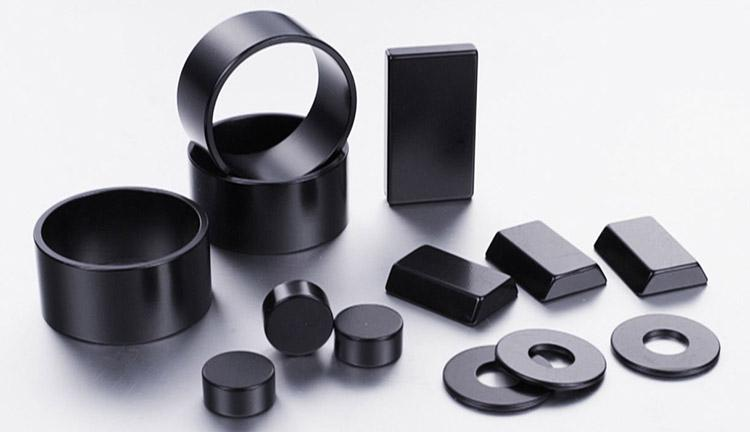
Fresh off the production line, Xiamen BearHeart Imp & Exp Co., Ltd. ships disc, block, ring, and more – neodymium magnets reaching well beyond 100 nations. Custom builds? They handle those too, alongside heavy-volume runs when demand spikes.
2. Purchase Magnets via Internet Retailers
From time to time, e-commerce platforms stock NdFeB magnets meant for tinkerers, classrooms, or local companies. Shipping reaches nearly anywhere – prebuilt models sit waiting on shelves.
3. Source Products Through Business Networks
Finding NdFeB magnets globally often leads buyers to online marketplaces such as Global Trade Plaza, where bulk orders come straight from manufacturers like those in Ningbo. These factory-level deals tend to offer pricing that works well for large-scale needs. Importers usually find this setup convenient. Distributors also benefit when sourcing consistent volumes.
4. Local Distributors and Engineering Suppliers
Out here, where you live, certain factory supply stores might carry NdFeB magnets – just not many kinds. Online spots tend to have more. Not always, but often.
结论
Rare earth amounts in NdFeB magnets aren’t stronger just because they’re higher. What matters is careful design down to tiny structural details. Neodymium gives power, yet praseodymium adds bend without break. Heat resistance comes from dysprosium or terbium working behind the scenes.
Here’s the tricky part – getting everything just right matters most. Balancing phase makeup, how grains connect, along with where elements land, shapes the magnet behavior needed. While that happens, keeping expenses in check becomes critical because rare earth material costs shift often. Still, success hides in those details.