
Table of Contents
Everywhere you look, machines rely on invisible pushes and pulls to work right. Whether it is an appliance at home or robots building cars, tiny forces keep parts in place or set them in motion.
Figuring out how NdFeB magnets differ from electromagnets often ties back to something practical. Maybe it’s about picking parts that fit a build, trimming expenses without losing power, or getting more reliability under changing conditions. While one type runs only when powered, the other holds strength all the time – this shapes where each works best.
Here’s a look at both kinds, explained simply with real-world clarity. Diving further reveals their performance traits along with ideal situations for each. What stands out is how one fits certain tasks better than the other. Each has distinct strengths depending on the setting. Details unfold by comparing actual usage scenarios. One adapts well to change, whereas the other holds steady under pressure. Their differences become clear through everyday examples. Practical insights come from observing them side by side. Focus shifts naturally between function and environment.
1. What is an electromagnets
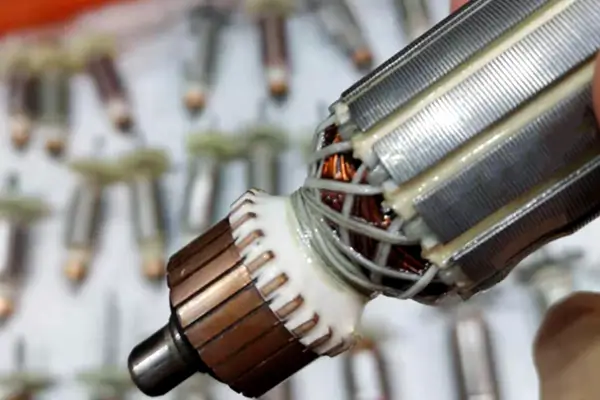
Electricity running through it – that is what brings an electromagnet to life. Wrapped around a metal center, a copper wire forms its body most times.
A flow of electricity through the wire loop brings forth a magnetic presence. Once that flow ends, the invisible force fades away.
Power flows when needed, that is why these magnets fit well in timed setups. Where signals must shift fast, you find them at work instead.
Some let you tweak settings. Turn the flow up or down, the pull gets stronger or weaker because of it.
Still, their operation needs a constant supply of energy. If the current stops, so does the magnetism.
2. What is an electromagnets
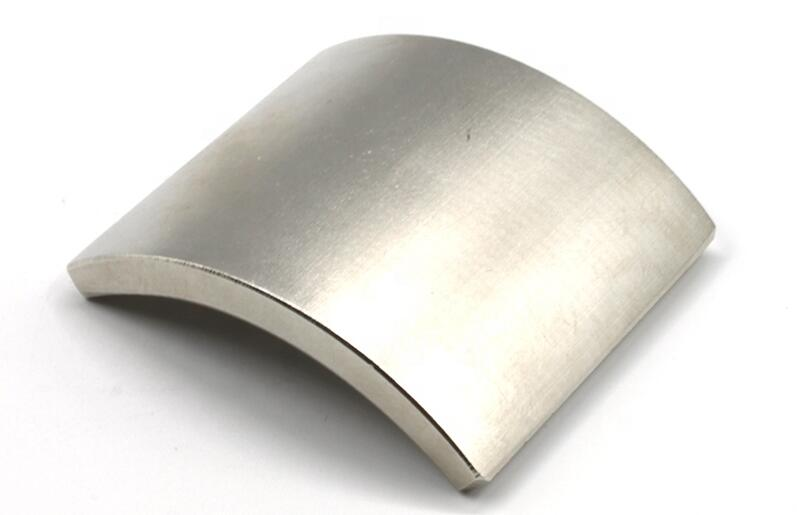
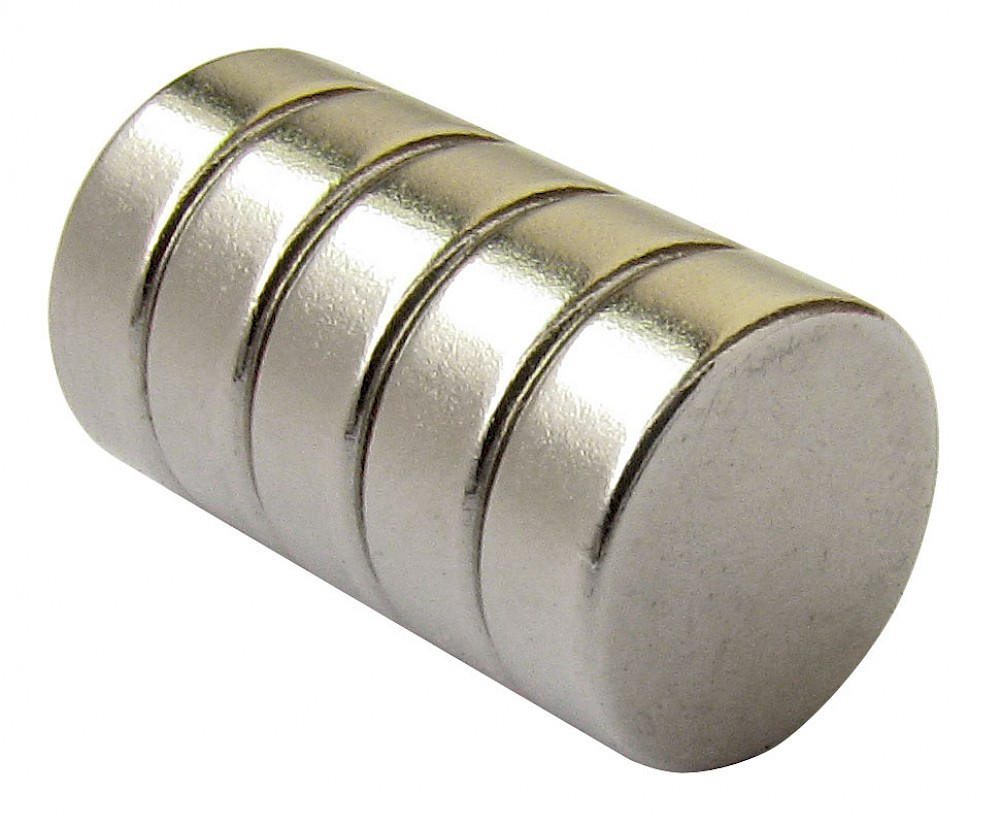
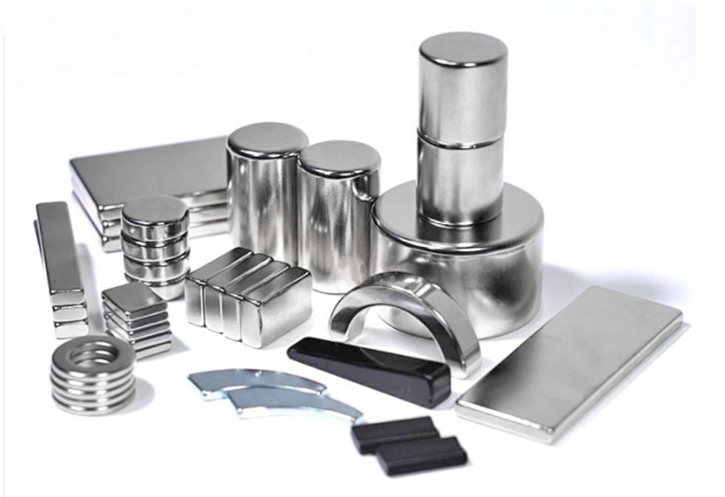
Starting with neodymium, iron, and boron, these permanent magnets pack a strong punch despite being small. Their power stands out even when compared to bulkier alternatives.
After gaining magnetism, these materials keep giving off a steady magnetic force forever, no electricity required. Their lasting nature means less energy waste over time.
Finding their place wherever power must fit into tight spots. Motors lean on them, while electronics rely just as much – even green tech builds around their strength.
Still, these units react strongly to surroundings. When exposed, heat weakens function – especially with dampness nearby unless shielded well.
Fine layers stick to them – nickel, sometimes epoxy – to help them last longer.
3. How Electromagnets and NdFeB Magnets Work
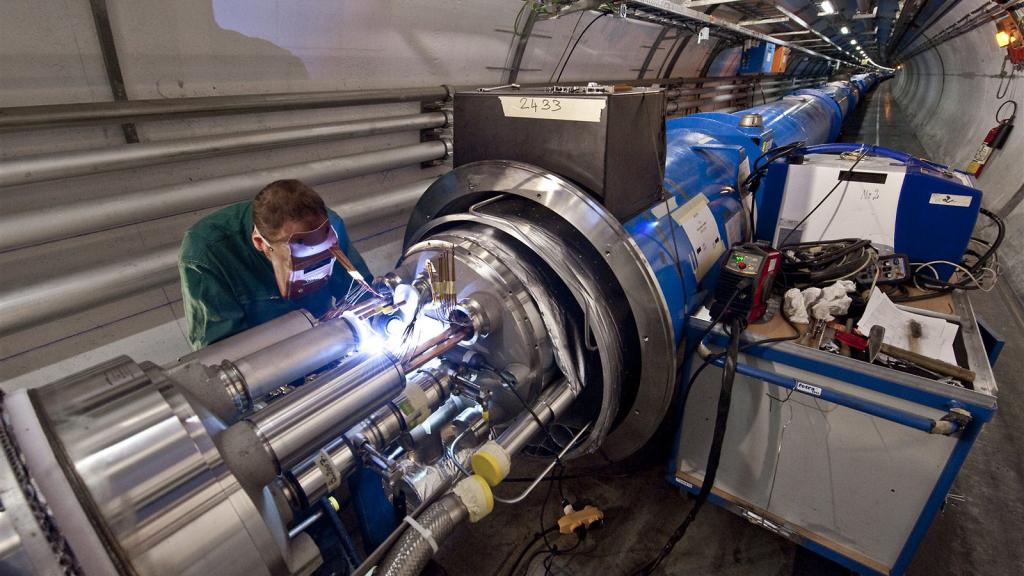
What makes these magnets tick is actually pretty revealing when it comes to their behavior out in the wild. One draws its power entirely from aligned electron spins, while another builds strength through electric currents running in loops.
Electromagnet working principle
Funny thing – electricity moving along a metal strand wraps itself in invisible loops of force. These loops appear each time power pushes through. That hidden wrap? It acts like a magnet you cannot see. The link between flowing charge and that pull makes the whole idea work.
Far from a single straight line, the wire loops bring more force to life. Each turn built one on top of another pushes the invisible pull much further.
Floating inside, a chunk of iron sharpens the invisible push. This dense heart shapes the energy flow, aiming it like a funnel guides water.
Control stands out first. When electricity flows, magnetism appears – cut the power, it vanishes just as fast.
What stands out next is how it adapts. Tweak the flow of electricity or alter the coil loops, then the force shifts just right for what’s needed.
Few realize how much warmth builds up when electricity keeps moving. Handling that energy demands careful attention inside powerful setups.
NdFeB magnet working principle
These magnets work without power, thanks to what’s inside. Tiny zones within the metal hold the magnetism. Each one acts like a mini source of pull.
Facing strong outside magnetism while being made, the tiny regions line up together. Their combined positioning holds steady, locking in a lasting magnetic presence.
Holding their positions after lining up, the pieces stay put. Because of that, the pull stays steady even when nothing powers it.
A steady pull comes from the magnet, always there. Only when heat steps in or something breaks it will that change.
Still, that comes with a downside – control vanishes. Without pulling it away by hand, you can’t turn the magnetic force off; it just stays active.
4. A performance comparison between electromagnets and NdFeB Magnets
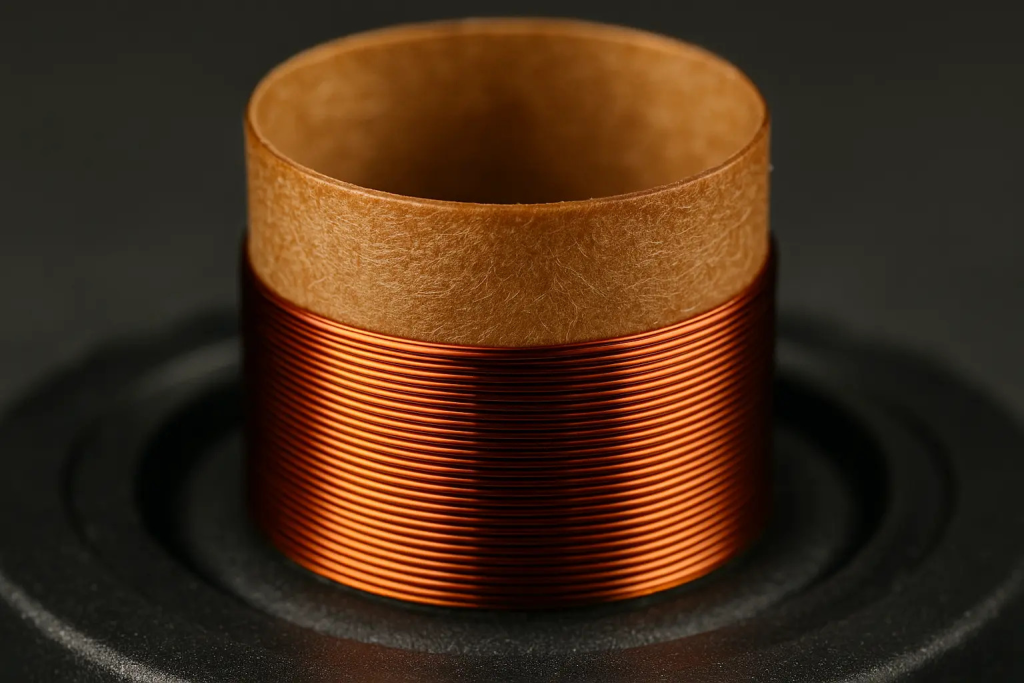
Starting with how strong it pulls sets the stage. What matters next is whether it keeps going without wearing down. Instead of just power, think about how smoothly it works over time. One thing leads to another – like how easily you can adjust it when needed.
Magnetic strength and efficiency
Strong pull comes easily from tiny NdFeB magnets. Though compact, they deliver powerful attraction because of how they’re built.
Compactness becomes easier when space matters. Performance stays strong even as size shrinks.
Power running through a coil builds up invisible force around it. That push grows when more electricity flows. Strength fades if the supply drops.
Still, there’s a downside. Running stronger needs extra electricity, which also brings higher temperatures.
When it comes to getting more done with less, NdFeB magnets stand out. Because they hold their magnetism without any power input.
Control and flexibility
Switching electromagnets happens fast. Because of this, they work well where timing matters most in machines that run on their own.
Fine-tuning happens easily through these systems. Depending on immediate demands, specialists adjust the strength of the field.
Frozen in place, NdFeB magnets hold one fixed strength. Without room to shift, their pull stays locked – unchanging across uses.
Fewer moving parts mean less chance of failure when conditions stay predictable. Still, they struggle where adjustments happen often.
Fires burn long when built right. Tough materials last through storms. Time tells what survives
Heat builds up in electromagnets because of resistance to electric current. When left unchecked, it may reduce how well they work.
When tasks push limits, breaks might help. Some setups need chill time to stay steady.
Heat does not come out of NdFeB magnets while they work. Still, too much warmth can affect them.
Heat beyond a limit erases magnetic strength forever. That change has a name – demagnetization.
When it comes to lasting through wear, electromagnets usually hold up well. Though powerful, NdFeB types tend to snap when pressure hits – fragile despite their strength.
Fine performance over time comes down to how they’re handled. Picking one ties back to where it will run.
5. A price comparison between electromagnets and NdFeB Magnets
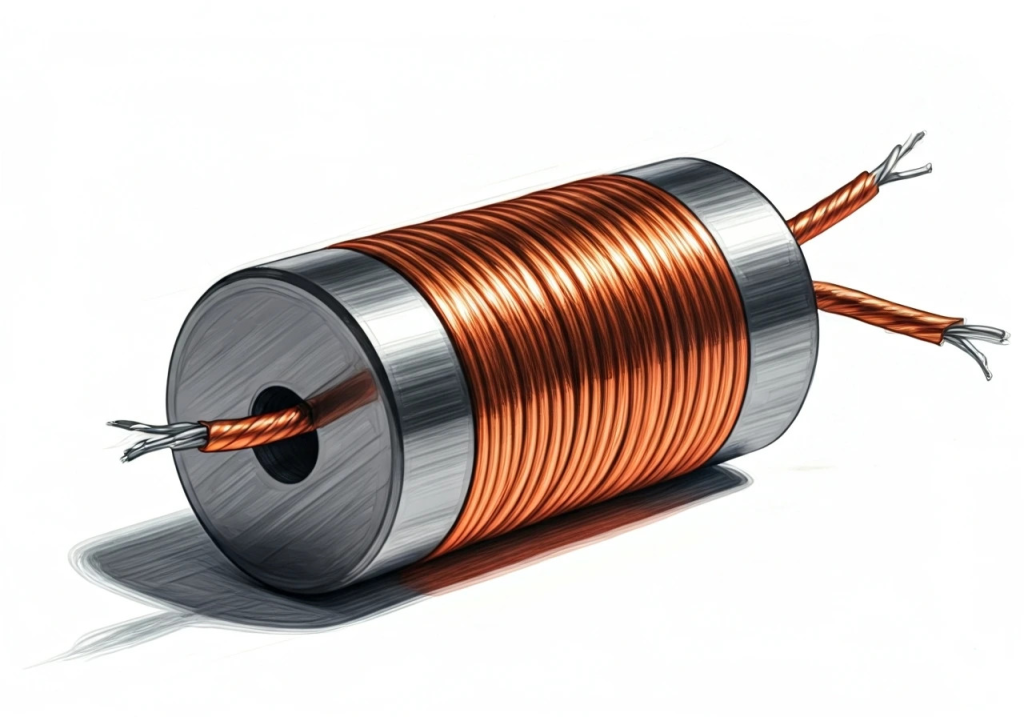
What you pay upfront isn’t the full story. Hidden behind it are ongoing costs that pile up over time.
Price tends to run higher at first for NdFeB magnets. That comes from needing rare earth elements during production.
Still, these run without power. Because of that, spending less adds up across uses.
Most times, electromagnets cost less when you buy them. Since their parts show up everywhere, getting what’s needed takes little effort.
Power must stay on, without pause. Costs climb higher over time – more so where machines never stop running.
Over time, electromagnets can require fixes to their wiring. Another thing to consider is upkeep.
Though built to last, NdFeB magnets often get a shield of coating so rust stays away. Their upkeep stays low when that barrier holds firm.
Depending on how long it’s put to work, one option might fit better than another.
6. The application scenarios of electromagnets and NdFeB Magnets
Not every setup works the same way. Where one demands steady pressure, another thrives on adaptability and precise handling.
Applications of electromagnets
Machines in factories often rely on electromagnets to work. These magnetic tools show up inside lifting gear, overhead cranes, yet also help sort items on moving belts.
Turning them on or off lets these tools grab things fast. When needed, items let go just as quick.
Electromagnets find a place inside power setups too. Inside devices like relays, you’ll spot them at work – switching things on or off through magnetic force. Solenoids rely on that same push and pull, just like circuit breakers do when they cut flow under stress.
Failing safely often depends on how electromagnets behave. When electricity stops, these locks open by themselves – no push needed.
Because they work fast, these fit well in escape routes as well as controlled entry setups.
NdFeB Magnets Used in Electronics Motors and Medical Devices
Firm pull from NdFeB magnets shows up in small gadgets built to work hard. Because they hold so tight, things can be made thinner while weighing less.
Without these, electric motors wouldn’t work well. Efficiency matters – especially inside most industrial machines and EVs that depend on their performance.
Out of nowhere, everyday gadgets rely on NdFeB magnets. Take speakers – silent without those tiny powerhouses inside. Headphones? They lean on the same stuff just harder. Hard drives spin thanks to their grip too.
Folks rely on them within green power setups too. Because wind machines pack powerful permanent magnets, they turn motion into electric current without much loss.
Starting off, medical tools gain a lot through exactness. Because of consistent magnetic conditions, they operate without errors – steady results come every time.
Choosing the right application
Depending on what the job needs, one magnet might work better than the other.
When it comes to managing flow plus making quick changes, electromagnets work well. Their performance shifts easily when conditions change.
When steady power matters most, plus cutting energy waste is key, NdFeB magnets often fit better.
Fresh air matters just as much as the rest. When picking what goes where, heat levels shape choices – so does room to move, along with whether juice flows nearby.
7. Where can I purchase suitable electromagnets and NdFeB Magnets
Spotting the correct provider matters more than it seems. When standards slip, so does trust – each time without fail.
Newland Magnetics stands out when you need trustworthy components. Their catalog includes various electromagnets, while industrial-grade NdFeB options are also available. Different sectors rely on these products without second thoughts.
Check out everything they offer right here on the NEWLAND MAGNET website. One thing they do is list exact details about each product. Because of that, shoppers can pick a magnet that fits their needs exactly.
Need something out of the ordinary? Tailored versions can be made. When standard won’t work – odd dimensions, unusual outlines, special surface finishes – a different path opens. Specifics matter most when off-the-shelf misses the mark.
Because they’ve seen it before, a seasoned supplier helps avoid problems. When quality matters, their know-how means your magnets perform well while lasting longer.
Start by knowing exactly what you need before buying anything. Strength matters, so does how it will be used over time. Think ahead about wear and environment, also future expenses play a role. What works now might cost more later, that counts too.
With this, choices become clearer. Because of it, thinking sharpens. As things unfold, understanding grows. When details line up, actions follow. Through clarity, better steps emerge.
Final thoughts
Sticking around without needing a plug, NdFeB magnets hold strong all on their own. Meanwhile, electromagnets shift strength when needed, thanks to powered adjustments.
What works changes every time. Your needs shape the right pick, yet goals matter just as much.
Confidence grows when choices come from knowing how magnets work, what they do, their limits. A clear look at function, design, real-world use shapes better decisions.


 English
  Spanish
  French
  Italian
  Portuguese
  Arabic
  Turkish
  Chinese
  Vietnamese
  Thai
Thai  Japanese
  Korean