
สารบัญ
ข้อต่อแม่เหล็กถาวรกำลังเป็นที่ต้องการมากขึ้นในหมู่วิศวกร ผู้จัดการฝ่ายบำรุงรักษา และผู้ซื้อในอุตสาหกรรมที่ต้องการการส่งกำลังที่เชื่อถือได้ ปราศจากซีล และบำรุงรักษาต่ำ ผู้ที่ทำการวิจัยในหัวข้อนี้ส่วนใหญ่ต้องเผชิญกับปัญหาที่เกิดขึ้นซ้ำๆ เกี่ยวกับการรั่วของซีล เวลาหยุดทำงานสูง การบำรุงรักษาที่บ่อยมาก หรือความเสี่ยงด้านความปลอดภัยในอุปกรณ์ที่หมุน
ในปัจจุบัน คัปปลิ้งแบบกลไกแบบดั้งเดิมกำลังล้มเหลวมากขึ้นในอุตสาหกรรมต่าง ๆ ที่มีความหลากหลายมากขึ้น ซึ่งการล้มเหลวเพียงเล็กน้อยอาจนำไปสู่การหยุดชะงักที่มีค่าใช้จ่ายสูงหรืออันตรายต่อสิ่งแวดล้อมอื่น ๆ ข้อต่อแม่เหล็กถาวรเป็นทางออกใหม่ ช่วยขจัดความสัมผัสทางกายภาพระหว่างชิ้นส่วนที่หมุน ในคู่มือการซื้อฉบับนี้ เราจะอธิบายเทคโนโลยีอย่างละเอียด: วิธีการทำงาน, การใช้งานที่เหมาะสมที่สุด, และคุ้มค่ากับการลงทุนหรือไม่
1. คูplingแม่เหล็กถาวรคืออะไร?
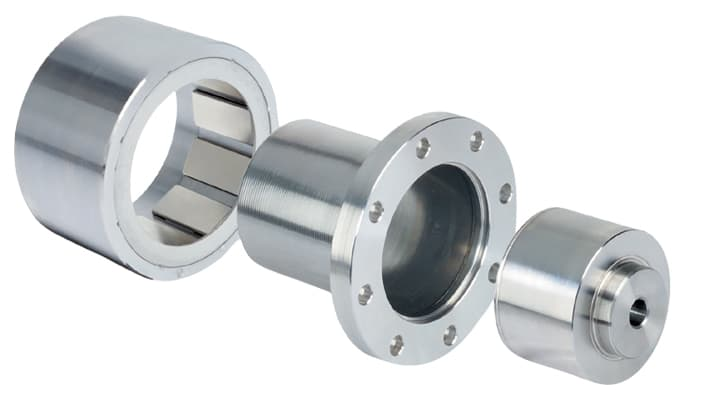
การเชื่อมต่อแบบแม่เหล็กถาวรสามารถนิยามได้ว่าเป็นอุปกรณ์เชิงกลแบบไม่สัมผัสที่ใช้สำหรับส่งแรงบิดหมุนในระดับหนึ่งโดยใช้แรงแม่เหล็ก ช่วยในการถ่ายโอนแรงบิดจากเพลาขับ ซึ่งโดยปกติจะติดตั้งอยู่กับมอเตอร์ไฟฟ้า โดยไม่ต้องมีการสัมผัสหรือการเชื่อมต่อระหว่างเพลาทั้งสอง
ต่างจากข้อต่อทั่วไปที่มีการส่งผ่านแรงโดยแรงเสียดทาน เฟือง และความยืดหยุ่น ข้อต่อแม่เหล็กถาวรใช้สนามแม่เหล็กที่เกิดจากแม่เหล็กถาวร สนามแม่เหล็กเหล่านี้จะข้ามช่องว่างในอากาศหรืออุปสรรคอื่น ๆ ที่เชื่อมต่อระหว่างเพลาทั้งสอง ทำให้การสึกหรอทางกลที่ข้อต่อถูกกำจัดไปอย่างสมบูรณ์
จากมุมมองทางวิศวกรรม การออกแบบนี้ช่วยกำจัดหนึ่งในรูปแบบความล้มเหลวที่ใหญ่ที่สุดในชุดประกอบที่หมุนได้ ตามแบบดั้งเดิม ในซีลเชิงกล รวมถึงข้อต่อแบบสัมผัส การสึกหรอ การรั่วไหล หรือการไม่ตรงแนวเป็นปัญหาสำคัญ ใน PMC ไม่มีปัญหาเหล่านี้เกิดขึ้น
ข้อต่อเหล่านี้มีคุณสมบัติแม่เหล็กถาวร โดยพบการใช้งานที่ได้รับความนิยมมากที่สุดในอุปกรณ์ปั๊ม เครื่องผสม เครื่องอัด และเครื่องกวน ข้อต่อเหล่านี้มีคุณค่าสูงสุดเมื่อของไหลที่ทำงานมีลักษณะเป็นกรดกัดกร่อน มีพิษ ติดไฟได้ หรือมีความบริสุทธิ์สูง ควรสังเกตว่าแม้การรั่วไหลเพียงเล็กน้อยก็มักก่อให้เกิดปัญหาใหญ่เสมอ
อีกปัจจัยหนึ่งที่กำหนดลักษณะของข้อต่อแม่เหล็กถาวรคือการแยกแกน ข้อต่ออาจแยกแกนออกทั้งหมดด้วยเปลือกหุ้มที่ไม่เป็นแม่เหล็ก ในข้อต่อแม่เหล็กถาวรส่วนใหญ่ ไม่จำเป็นต้องใช้ซีลแบบไดนามิก
ข้อต่อแม่เหล็กถาวรไม่ใช่เพียงแค่ส่วนหนึ่งของระบบกลไกจากมุมมองของผู้ซื้อเท่านั้น แต่ยังเป็นทางออกสำหรับคำถามเกี่ยวกับความน่าเชื่อถือที่สามารถลดต้นทุนในระยะยาวในขณะที่ให้ระบบที่ปลอดภัยและทำงานได้อย่างมีประสิทธิภาพด้วยต้นทุนเริ่มต้นที่ต่ำกว่า แม้ว่าพวกมันจะมีค่าใช้จ่ายเริ่มต้นที่สูงมาก แต่คนส่วนใหญ่จะยืนยันว่าการลงทุนนั้นคุ้มค่าในท้ายที่สุด
2. หลักการการทำงานของข้อต่อแม่เหล็กถาวร
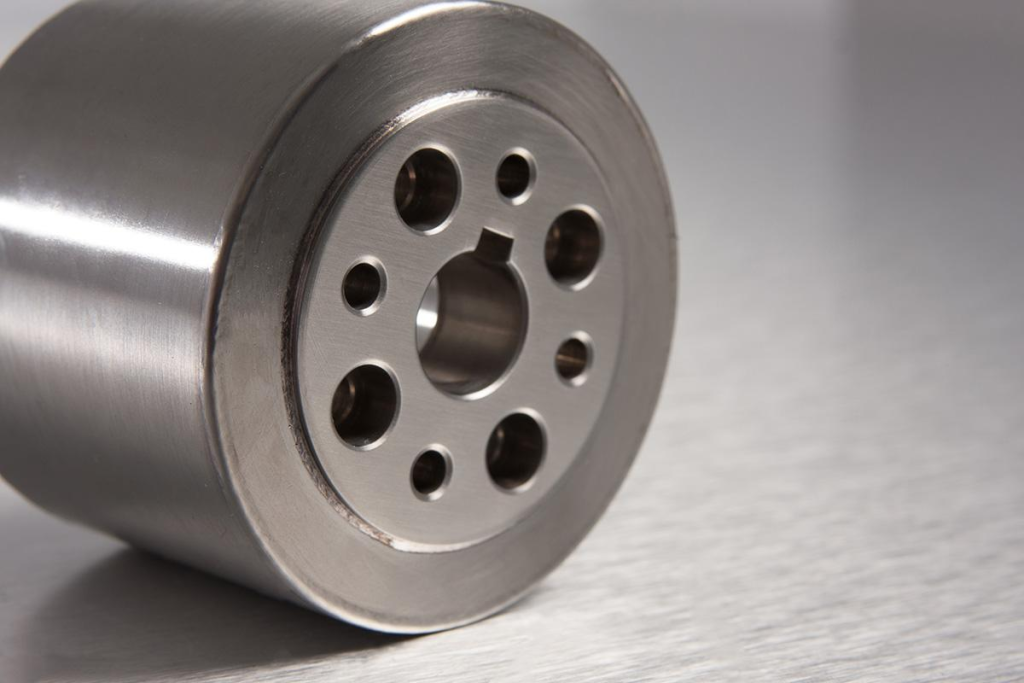
พื้นฐานของการทำงานของตัวเชื่อมต่อแม่เหล็กถาวรขึ้นอยู่กับการควบคุมปฏิสัมพันธ์ทางแม่เหล็กของแม่เหล็กถาวรสองคู่ โดยแต่ละคู่จะมีขั้วเหนือและขั้วใต้สลับกัน ทำให้เกิดสนามแม่เหล็กที่แข็งแรง
ชุดแม่เหล็กหนึ่งชุดติดตั้งอยู่กับเพลาขับ ซึ่งโดยปกติจะขับเคลื่อนด้วยมอเตอร์ไฟฟ้า ชุดแม่เหล็กชุดที่สองติดตั้งอยู่กับเพลาที่ถูกขับเคลื่อนหรือเพลาที่รับภาระ เช่น ใบพัดปั๊มหรือใบพัดผสม พวกมันถูกจัดเรียงให้สัมผัสกันผ่าน "ช่องว่างอากาศหรือเปลือกหุ้มที่ไม่เป็นแม่เหล็ก" ขนาดเล็ก
เมื่อการหมุนเกิดขึ้น สนามแม่เหล็กที่เกิดจากแม่เหล็กขับเคลื่อนก็จะหมุนไปด้วย เนื่องจากสนามแม่เหล็กหมุน แรงแม่เหล็กจะถูกเหนี่ยวนำในแม่เหล็กขับเคลื่อน ส่งผลให้เกิดการหมุนระหว่างเพลาขับและเพลาตามโดยไม่มีการสัมผัสทางกายภาพระหว่างกัน
การส่งผ่านแรงบิดสามารถอธิบายได้จากข้อเท็จจริงที่ว่า โดยธรรมชาติแล้วขั้วแม่เหล็กมีความสามารถในการจัดเรียงตัวเองให้อยู่ในแนวเดียวกัน ตราบใดที่ปริมาณแรงบิดที่ต้องการอยู่ภายในข้อกำหนด การทำงานจะเป็นไปอย่างสอดคล้องกัน
เนื่องจากลักษณะที่ไม่มีอยู่จริงของแรงเสียดทานภายในส่วนประกอบของข้อต่อ ทำให้ระดับความร้อนที่เกิดขึ้นต่ำมาก ข้อดีอีกประการหนึ่งคือระดับการสั่นสะเทือนเมื่อเทียบกับข้อต่อแบบกลไก ซึ่งหมายความว่าการทำงานจะเงียบและระบบจะมีความเสถียรในอนาคต
จากมุมมองของผู้ใช้ หลักการข้างต้นแปลเป็นการตอบสนองที่คาดการณ์ได้ภายใต้สภาวะความผิดพลาด สามารถถือเป็นอุปกรณ์สำหรับการส่งแรงบิดและอุปกรณ์ความปลอดภัยอัตโนมัติ
3. คัปปลิ้งแม่เหล็กถาวรประกอบด้วยอะไรบ้าง?
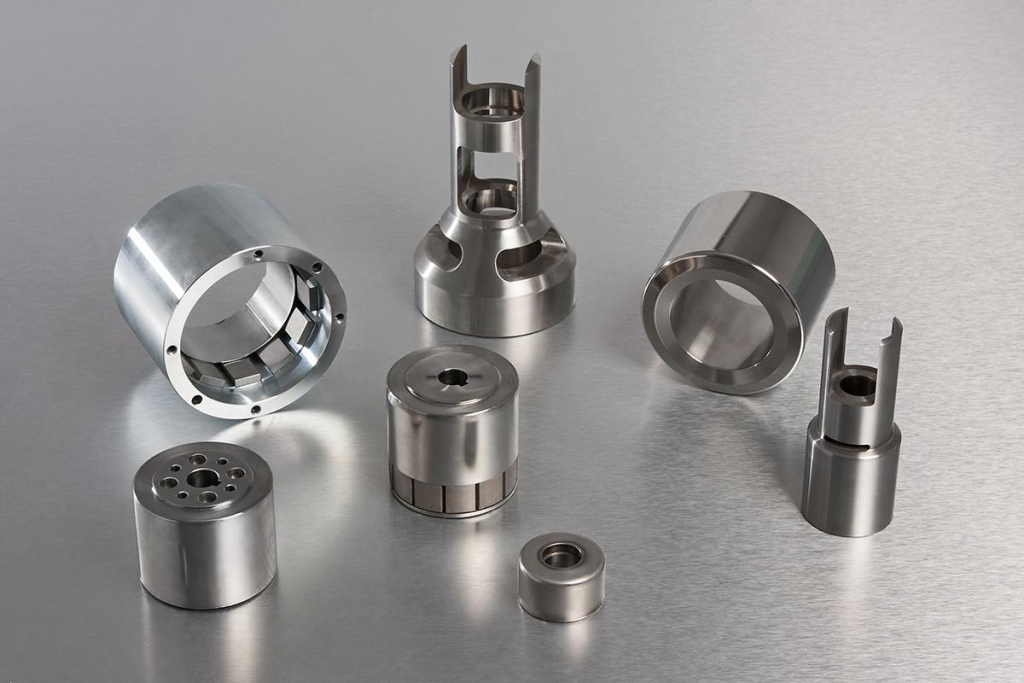
ข้อต่อแม่เหล็กถาวรประกอบด้วยส่วนประกอบหลายชิ้นที่ออกแบบทางวิศวกรรมอย่างพิถีพิถัน แต่ละชิ้นส่วนมีบทบาทโดยตรงต่อความสามารถในการรับแรงบิด ประสิทธิภาพ ความทนทาน และต้นทุนโดยรวม การเข้าใจส่วนประกอบเหล่านี้ช่วยให้ผู้ซื้อประเมินคุณภาพของผลิตภัณฑ์ได้
แม่เหล็กถาวร
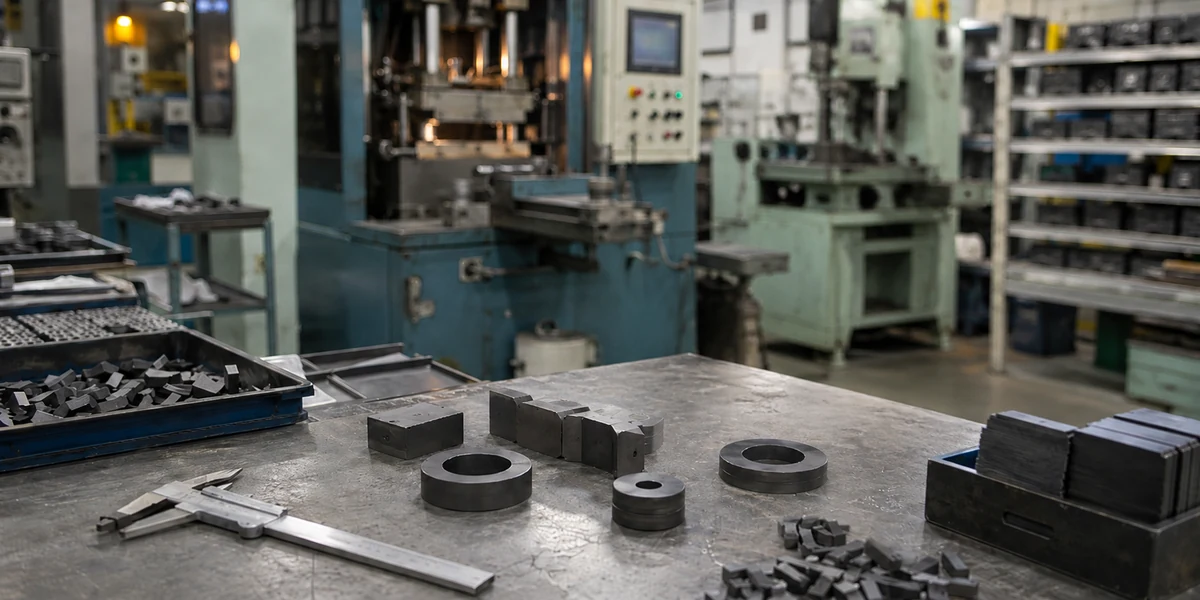
แม่เหล็กถาวรเป็นองค์ประกอบหลักที่ทำให้เกิดแกนกลาง. ตัวเชื่อมแม่เหล็กถาวรในอุตสาหกรรมมักใช้แม่เหล็กถาวรนีโอไดเมียมหรือแม่เหล็กถาวร ND feb เพราะเป็นวัสดุแม่เหล็กถาวรที่แข็งแรงที่สุด.
แม่เหล็กประเภทนี้ช่วยให้สามารถส่งแรงบิดสูงได้ด้วยการออกแบบที่กะทัดรัด ประสิทธิภาพของเครื่องจักรจะเพิ่มขึ้นเมื่อใช้แม่เหล็กที่มีคุณภาพดียิ่งขึ้น เนื่องจากมีโอกาสเกิดการลื่นไถลน้อยลง คุณภาพของแม่เหล็กส่งผลโดยตรงต่อการทำงานที่ราบรื่นของอุปกรณ์
กระบวนการคัดเลือกเกรดของแม่เหล็กมีความสำคัญเท่าเทียมกันทั้งในด้านความทนทานต่ออุณหภูมิและความคงทนในระยะยาว ผู้ซื้อมักจะเปรียบเทียบรายละเอียดทางเทคนิคต่าง ๆ ของแม่เหล็กก่อนตัดสินใจซื้อแม่เหล็กชนิดใดชนิดหนึ่งจากผู้ผลิต
ชุดประกอบโรเตอร์ด้านใน
โรเตอร์ด้านในติดตั้งอยู่บนเพลาขับ มันรักษาแม่เหล็กให้อยู่ในตำแหน่งที่ถูกต้อง
โรเตอร์มักทำจากเหล็กกล้าความแข็งแรงสูงหรือสแตนเลส การผลิตที่พิถีพิถันช่วยให้หมุนได้อย่างราบรื่นแม้ที่ความเร็วสูง
ผลกระทบของการปรับสมดุลที่ไม่ดีรวมถึงการสั่นสะเทือนของเครื่องจักรที่มากเกินไปซึ่งนำไปสู่การเสียหายของแบริ่งก่อนเวลาอันควร
โรเตอร์ภายในที่ดีจะช่วยให้มั่นใจในประสิทธิภาพในการส่งแรงบิด รวมถึงความน่าเชื่อถือในการทำงานในระยะยาว
ชุดประกอบโรเตอร์ภายนอก
โรเตอร์ภายนอกเชื่อมต่อกับเพลาขับ มันประกอบด้วยแม่เหล็กที่จัดเรียงเพื่อโต้ตอบกับสนามแม่เหล็กของโรเตอร์ภายใน
เมื่อสนามแม่เหล็กหมุน โรเตอร์ด้านนอกจะหมุนตามโดยไม่มีการสัมผัสทางกายภาพ การจัดตำแหน่งที่แม่นยำระหว่างโรเตอร์ทั้งสองมีความสำคัญอย่างยิ่งต่อการทำงานที่เสถียร
ในระบบปิด โรเตอร์ภายนอกของมอเตอร์จะแยกออกจากด้านมอเตอร์อย่างสมบูรณ์ ดังนั้น จึงให้การแยกส่วนอย่างสมบูรณ์ระหว่างส่วนขับเคลื่อนกับสื่อกระบวนการ
เปลือกหุ้มเพื่อกักเก็บ
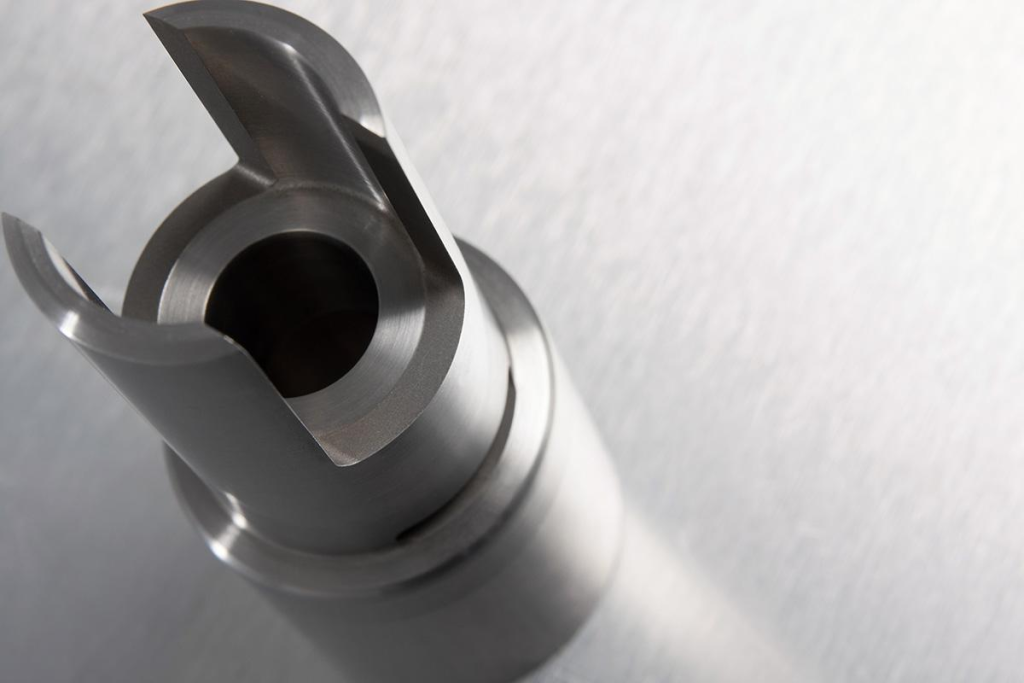
ตัวเชื่อมต่อแม่เหล็กถาวรส่วนใหญ่ใช้เปลือกห่อหุ้มที่ตั้งอยู่ระหว่างโรเตอร์สองตัว โดยพื้นฐานแล้ว เปลือกนี้จะแยกด้านที่ขับเคลื่อนและด้านที่ถูกขับเคลื่อนออกจากกันทางกายภาพ
โดยทั่วไปแล้ว ผลิตจากวัสดุที่ไม่เป็นแม่เหล็ก เช่น สแตนเลส Hastelloy หรือไทเทเนียม แรงดัน การกัดกร่อน และความเค้นทางกลเป็นสภาวะที่เปลือกต้องทนทาน
เปลือกหุ้มป้องกันการรั่วไหลช่วยขจัดความจำเป็นในการใช้ซีลเชิงกล ซึ่งมีความสำคัญอย่างยิ่งในการใช้งานที่มีความเสี่ยงสูง ต้องการความบริสุทธิ์สูง หรือมีความอ่อนไหวต่อสิ่งแวดล้อม
4. ค่าพารามิเตอร์ประสิทธิภาพของข้อต่อแม่เหล็กถาวรคืออะไร?
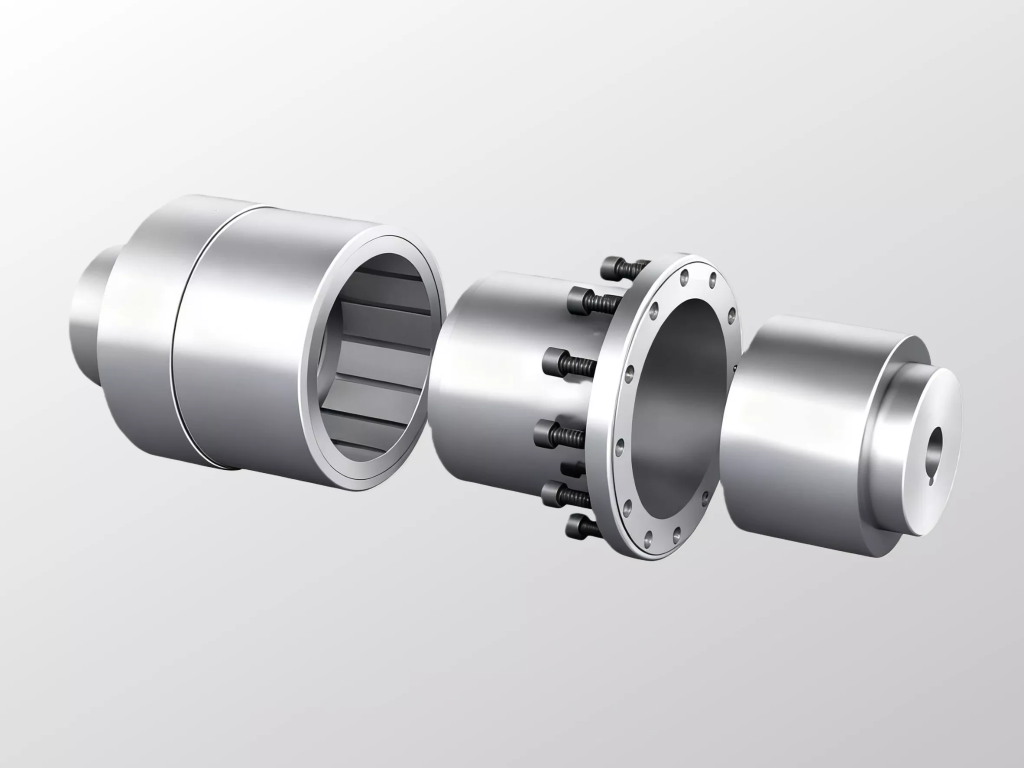
การตัดสินใจว่าตัวเชื่อมแม่เหล็กถาวรเหมาะสำหรับการใช้งานเฉพาะหรือไม่ ขึ้นอยู่กับพารามิเตอร์ด้านประสิทธิภาพ ปัจจัยเหล่านี้มีหน้าที่ในการส่งผลต่อความปลอดภัย ประสิทธิภาพ และอายุการใช้งาน
แรงบิดที่กำหนด
แรงบิดที่กำหนดไว้หมายถึงแรงบิดสูงสุดที่สามารถส่งผ่านได้ต่อเนื่องซึ่งตัวเชื่อมสามารถทำได้. นี่คือพารามิเตอร์การเลือกที่สำคัญที่สุด.
หากแรงบิดในการทำงานเกินค่านี้ จะเกิดการลื่นของแม่เหล็กแทนที่จะเกิดความเสียหายทางกล ซึ่งช่วยป้องกันอุปกรณ์ที่เชื่อมต่อจากการเสียหายได้ บ่อยครั้งที่ผู้ซื้อจะระบุการเลือกข้อต่อด้วยค่าความปลอดภัย
การเลือกแรงบิดที่เหมาะสมช่วยให้การทำงานมีเสถียรภาพในระยะยาว ข้อต่อที่มีขนาดเล็กเกินไปอาจลื่นไถลมากเกินไปและเกิดความร้อน
ความเร็วในการทำงานสูงสุด
แต่ละข้อต่อมีอัตราความเร็วในการหมุนสูงสุดที่อนุญาต ซึ่งขึ้นอยู่กับสมดุลของโรเตอร์ การยึดเกาะของแม่เหล็ก และการออกแบบโครงสร้าง
การผลิตด้วยความแม่นยำสูงสำหรับการทำงานที่ความเร็วสูงเป็นสิ่งจำเป็น การทำงานนอกเหนือขีดจำกัดความเร็วจะทำให้เกิดการสั่นสะเทือนหรือความเค้นทางกล
พารามิเตอร์นี้มีความสำคัญอย่างยิ่งสำหรับปั๊มและเครื่องอัด
ความสามารถในการทนต่ออุณหภูมิ
แม่เหล็กถาวรจะสูญเสียความแรงเมื่ออุณหภูมิเพิ่มขึ้น ความร้อนที่มากเกินไปอาจทำให้เกิดการสูญเสียความเป็นแม่เหล็กอย่างถาวร
ผู้ผลิตจะระบุอุณหภูมิการทำงานสูงสุด แม่เหล็กหายากโดยทั่วไปมีประสิทธิภาพที่ดีกว่าในอุณหภูมิสูง
การจัดการความร้อนที่ดีเป็นสิ่งจำเป็นอย่างยิ่งในสภาพแวดล้อมที่ท้าทาย
ความทนทานต่อการไม่ตรงแนว
ข้อต่อแม่เหล็กทนต่อการไม่ตรงแนวของเพลาเล็กน้อยได้ ซึ่งช่วยให้การติดตั้งง่ายขึ้นและลดเวลาในการปรับแนว
อย่างไรก็ตาม การไม่ตรงกันมากเกินไปจะลดความสามารถในการรับแรงบิด และอาจเพิ่มการสั่นสะเทือนได้
ความอดทนนี้เพิ่มความยืดหยุ่นให้กับการออกแบบระบบ
5. ข้อได้เปรียบและข้อเสียของคูปลิงแม่เหล็กถาวร
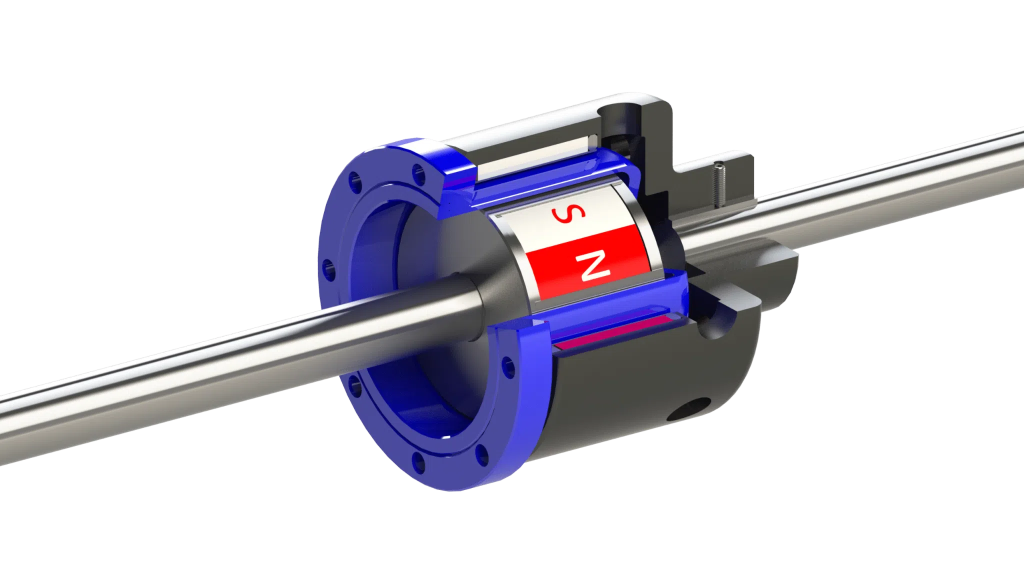
"ข้อต่อแม่เหล็กถาวรมีข้อดีหลายประการแต่ก็มีข้อจำกัดเช่นกัน ผู้ซื้อต้องพิจารณาข้อจำกัดเหล่านี้ในขณะที่ตัดสินใจเลือกข้อต่อเหล่านี้"
ข้อดีของข้อต่อแม่เหล็กถาวร
1. ไม่มีการสัมผัสทางกล
ไม่จำเป็นต้องมีการสัมผัสทางกายภาพเพื่อถ่ายทอดแรงบิด ไม่มีการเสียดสีเนื่องจากไม่มีการสัมผัส อายุการใช้งานของชิ้นส่วนระบบยาวนานขึ้น ความน่าเชื่อถือเพิ่มขึ้นเมื่อเวลาผ่านไป
2. บำรุงรักษาต่ำมาก
ไม่มีชิ้นส่วนที่เสียดสีซึ่งต้องการการหล่อลื่น
การบำรุงรักษาทำได้ง่าย
ต้นทุนแรงงานและเวลาหยุดทำงานลดลง การประหยัดมีนัยสำคัญ
3. การส่งกำลังที่ปราศจากการรั่วไหล
มีการถ่ายโอนแรงบิดผ่านส่วนที่ถูกล็อกของเปลือกหุ้มที่ปิดสนิท โดยไม่ต้องใช้ซีลกลไก
นี่จะช่วยป้องกันการรั่วไหลได้โดยสิ้นเชิง ความปลอดภัยตลอดจนสิ่งแวดล้อมจะดีขึ้น
4. ระบบป้องกันการโอเวอร์โหลดในตัว
การลื่นของแม่เหล็กเกิดขึ้นภายใต้สถานการณ์ที่มีภาระเกิน ไม่มีผลเสียทางกลไกตามมา
มีการป้องกันสำหรับมอเตอร์และเกียร์บ็อกซ์ การกู้คืนทำได้รวดเร็วในกรณีเกิดข้อผิดพลาด
5. อายุการใช้งานของอุปกรณ์ที่ยาวนานขึ้น
การถ่ายโอนแรงบิดที่ราบรื่นช่วยลดการสั่นสะเทือนได้เป็นอย่างมาก. แบริ่งยังรับแรงกดน้อยลงมาก.
อายุการใช้งานของอุปกรณ์ยาวนานขึ้น. ระยะเวลาการเปลี่ยนทดแทนยาวนานขึ้น.
6. การทำงานเงียบและราบรื่น
ระดับเสียงที่เกิดขึ้นต่ำ ระดับการสั่นสะเทือนก็ถูกควบคุมให้ต่ำเช่นกัน
สิ่งนี้ช่วยปรับปรุงสภาพแวดล้อมในที่ทำงาน. การล้าของโครงสร้างก็ลดลงเช่นกัน.
7. เพิ่มความปลอดภัยในการปฏิบัติงาน
การออกแบบที่ปิดผนึกช่วยกำจัดชิ้นส่วนที่หมุนอยู่ซึ่งสัมผัสได้ ลดความเสี่ยงในการบาดเจ็บ
ความปลอดภัยดีขึ้นในสภาพแวดล้อมที่เป็นอันตราย. สิ่งนี้มีความสำคัญอย่างยิ่งในหลายอุตสาหกรรม.
8. เชื่อถือได้ในสภาพแวดล้อมที่รุนแรง
ข้อต่อแม่เหล็กทำงานได้ดีในสภาวะเปียกหรือกัดกร่อน มีจุดบกพร่องน้อยกว่า
เหมาะอย่างยิ่งสำหรับการใช้งานต่อเนื่อง ลดเวลาหยุดทำงานให้น้อยที่สุด
ข้อเสียของข้อต่อแม่เหล็กถาวร
1. ค่าใช้จ่ายเริ่มต้นสูงขึ้น
ข้อต่อแม่เหล็กถาวรต้องการค่าใช้จ่ายเริ่มต้นที่สูงขึ้น ค่าใช้จ่ายของแม่เหล็กหายากจะเพิ่มขึ้นด้วย
อาจมีข้อจำกัดทางงบประมาณบางประการ แต่ในกรณีส่วนใหญ่ ข้อได้เปรียบของการประหยัดในอนาคต
2. กำลังบิดจำกัด
แรงบิดยังถูกจำกัดโดยความแรงของแม่เหล็ก การใช้งานที่ต้องการแรงบิดสูงมากเป็นสิ่งที่ต้องกังวล
สำหรับแรงบิดที่สูงขึ้น อาจจำเป็นต้องใช้ขนาดที่ใหญ่ขึ้น อาจมีข้อจำกัดด้านพื้นที่
3. ความไวต่ออุณหภูมิ
อุณหภูมิสูงส่งผลต่อความแรงของแม่เหล็ก ทำให้เกิดความเสียหายถาวร
สิ่งนี้จำกัดการใช้งานในความร้อนสูงมาก
การควบคุมอุณหภูมิเป็นปัจจัยสำคัญ
4. ความเสี่ยงจากการรบกวนทางแม่เหล็ก
สนามแม่เหล็กที่แข็งแรงมีผลกระทบต่ออุปกรณ์อิเล็กทรอนิกส์ อาจจำเป็นต้องมีการป้องกัน
ความซับซ้อนของการออกแบบระบบจะเพิ่มขึ้น
จำเป็นต้องมีการวางแผนผัง
5. การสูญเสียประสิทธิภาพระหว่างการลื่นไถล
การลื่นไถลยังสร้างความร้อนด้วย การลื่นไถลเป็นสิ่งที่ไม่พึงประสงค์เมื่อเกิดขึ้นอย่างต่อเนื่อง
การปรับขนาดให้เหมาะสมจะช่วยป้องกันปัญหานี้ได้ ขอแนะนำให้ตรวจสอบอย่างต่อเนื่อง
6. ขนาดใหญ่ขึ้นสำหรับแรงบิดสูง
การออกแบบที่มีแรงบิดสูงต้องการข้อต่อที่ใหญ่ขึ้น ระบบที่กะทัดรัดอาจก่อให้เกิดปัญหา
ความยืดหยุ่นในการออกแบบลดลง การวางแผนพื้นที่เป็นสิ่งสำคัญ
7. การพึ่งพาวัสดุแร่หายาก
การจัดหาแม่เหล็กแร่หายาก:
การจัดหาแม่เหล็กแร่หายากมีความผันแปร
ราคาอาจเปลี่ยนแปลงได้
นี่นำไปสู่ความเสี่ยงในการจัดหา. การวางแผนระยะยาวเป็นสิ่งจำเป็น.
8. ประสิทธิภาพต่ำภายใต้แรงกระแทก
การเพิ่มขึ้นอย่างรวดเร็วของแรงบิดจะทำให้วัตถุลื่นไถลซ้ำๆ และเกิดความร้อน
ข้อต่อแบบกลไกอาจรับแรงกระแทกได้ดีกว่า การวิเคราะห์การใช้งานจึงมีความสำคัญอย่างยิ่ง
6. สถานการณ์การใช้งานของข้อต่อแม่เหล็กถาวร
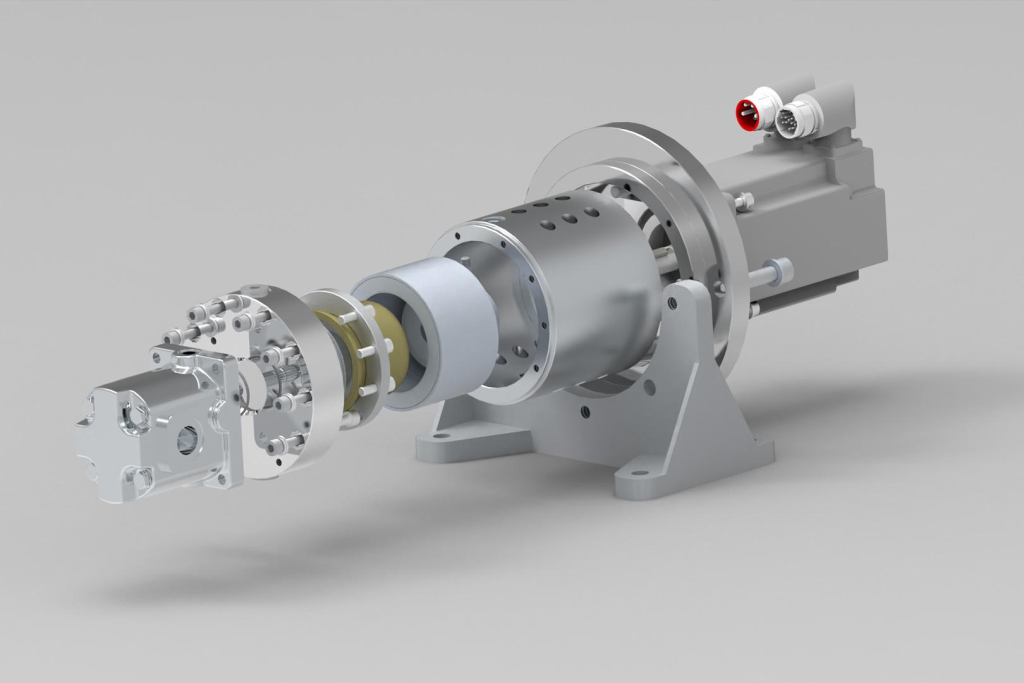
ข้อต่อแม่เหล็กถาวรมักจำเป็นในแอปพลิเคชันที่ต้องการความปลอดภัย การปิดผนึก และความน่าเชื่อถือ
อุตสาหกรรมการแปรรูปทางเคมี
ปั๊มเหล่านี้ใช้ข้อต่อแม่เหล็ก ซึ่งป้องกันการรั่วไหล ในปั๊มเคมี การใช้ข้อต่อแม่เหล็กช่วยให้มั่นใจได้ถึงการกักเก็บสารอันตราย
ความปลอดภัยและการคุ้มครองสิ่งแวดล้อมได้รับการปรับปรุง การบำรุงรักษาลดลง
เภสัชกรรมและการแปรรูปอาหาร
พวกมันป้องกันการปนเปื้อน ไม่มีการรั่วไหลของสารหล่อลื่น
การทำความสะอาดและการฆ่าเชื้อ: กระบวนการเหล่านี้กลายเป็นเรื่องง่ายขึ้น
การปฏิบัติตามกฎระเบียบ: กฎระเบียบ
การบำบัดน้ำและน้ำเสีย
มันต้องสามารถดำเนินการต่อไปได้โดยไม่หยุด มันต้องสามารถ
พวกมันต้านทานการกัดกร่อน
ค่าใช้จ่ายในการดำเนินงานลดลง
อุตสาหกรรมน้ำมันและก๊าซ
การป้องกันการรั่วไหลมีความสำคัญอย่างยิ่ง
การเชื่อมต่อแบบแม่เหล็กช่วยขจัดซีลแบบไดนามิก
ความปลอดภัยดีขึ้นในสภาพแวดล้อมที่ติดไฟได้ ความเสี่ยงในสภาพแวดล้อมลดลง
เหมืองแร่และอุตสาหกรรมหนัก
มีการเปลี่ยนแปลงของโหลดบ่อยครั้ง คัปเปลอร์แม่เหล็กให้การป้องกันการโอเวอร์โหลด
ความเสียหายต่ออุปกรณ์มีน้อยมาก. ค่าใช้จ่ายในการบำรุงรักษาลดลง.
บทสรุป
ข้อต่อแม่เหล็กถาวรได้กลายเป็นทางออกที่มีประสิทธิภาพในการตอบสนองต่อข้อกังวลด้านการส่งกำลังในอุตสาหกรรมสมัยใหม่ ข้อต่อเหล่านี้รับประกันการทำงานที่ปราศจากการรั่วไหล และการบำรุงรักษาและการป้องกันเป็นคุณสมบัติที่ฝังตัวอยู่แล้ว
การลงทุนเริ่มต้นที่สูงมีความสมเหตุสมผลในระยะยาว โดยเฉพาะอย่างยิ่งเนื่องจากความน่าเชื่อถือสูงสุดในสภาพแวดล้อมที่ปิดสนิทและทำงานต่อเนื่อง

 Thai
Thai  English
  Spanish
  French
  Italian
  Portuguese
  Arabic
  Turkish
  Chinese
  Vietnamese
  Japanese
  Korean