
Table of Contents
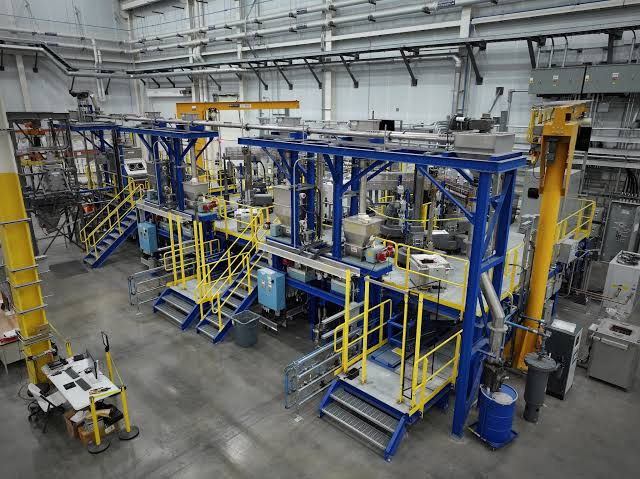
Manufacturers embarking on efforts to cut costs associated with magnet processing are necessarily confronted by rising material costs, rising energy costs, and shrinking margins. Manufacturers are already aware of how magnets work in their applications and are only interested in finding ways to drive those costs from within their processes. These manufacturers are not interested in compromising their performance but are only interested in stripping inefficiencies that drive up their costs of production. This article therefore aims to meet that need.
1. How Are Magnets Manufactured?
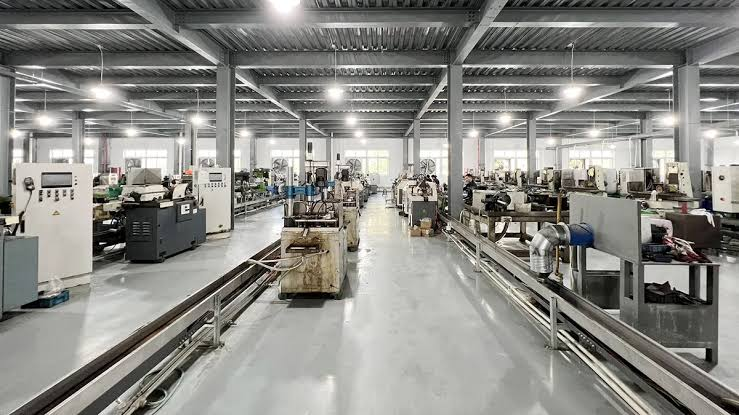
The process of magnet manufacturing is a controlled, multi-step process. This is done to maximize a set of intended magnetic field strength, direction, and hardness. While each process is necessary for the end-use magnetic performance, each step of magnet manufacturing tends to maximize a set of costs: labor, energy, tooling, and inspection. The process of magnet manufacturing is a detailed one, and this makes it much simpler to determine areas of impact.
Raw Material Selection and Preparation
The process of making these magnets involves material selection according to magnetic properties and resistance levels for temperature. In making permanent magnets, the material can be iron, boron, cobalt, nickel, or a rare earth material, and for soft magnets, it is made of an alloy of iron. The material used in making these magnets has got to be of high purity so as to be effective in its magnetic property.
Crushing, Milling, and Powder Formation
In the production of sintered magnets, raw materials are crushed and milled to fine powders with specific sizes. The uniformity of the powder plays an important role in the density and magnetic force of the finished product. This processing needs powerful milling machines to handle the materials, and the machines’ wear and tear as well as losses are important cost-increasing factors for powder processing.
Magnetic Alignment and Compaction
Powder preparation is molded through a process involving pressure, sometimes in the presence of a magnetic field, in which alignment is favored along one direction. It is this alignment that ensures efficiency in the use of magnetic capability by the magnet. Sometimes poor alignment is associated with lower strength and rejection.
Sintering
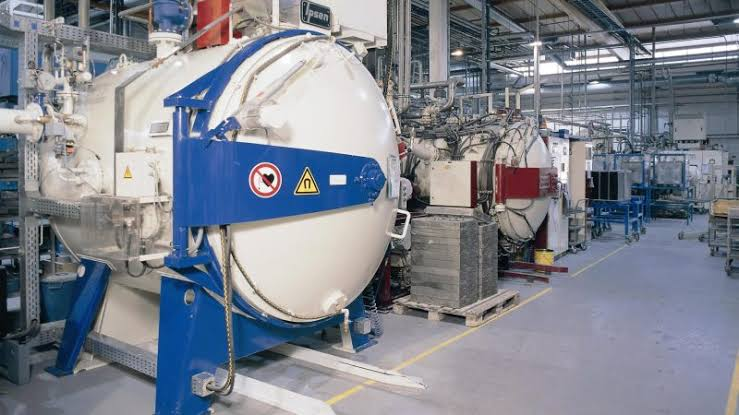
Compact elements are heated in high-temperature furnaces to consolidate particles to form a solid with high density. The sintering process provides magnetic strength and magnetic forces for the magnet. The procedure is energy-intensive and must be carried out in a controlled atmosphere with high costs associated with furnace time, temperature, and batch size.
Heat Treatment and Stabilization
Sintering is followed by heat treatment for magnets, where the microstructure is stabilized. This increases the demagnetization and thermal resistances during its working life. The purpose of such heat treatment is to ensure controlled heating or cooling processes. Omitting or truncating this step may cut down expenditures, but it may lead to failure.
Machining and Dimensional Finishing
Magnets are machined to achieve the required final size with the aid of grinding, cutting, and drilling. The likelihood of the material used for the magnet to be brittle and the dust particles formed during the machining process increase the cost of the operation. The more complex the designs, the longer the machining time and the more scraps produced.
Surface Coating and Protection
Magnets usually have an outer coating for corrosion and damage resistance. This may be made from materials such as nickel, epoxy resins, zinc, or polymers. The choice of the material depends on the environment and the expected useful lifetime. Over-specification of coatings results in increased material expense and increased process times.
Finally, magnetization by strong external magnetic fields is done. This enables the functional properties of the magnet to be activated. After magnetization, the magnets undergo verification to determine whether they have the correct dimensions and magnetical behavior. Defects in the magnets result in increased effective processing costs.
2. Magnet Processing Cost Estimate
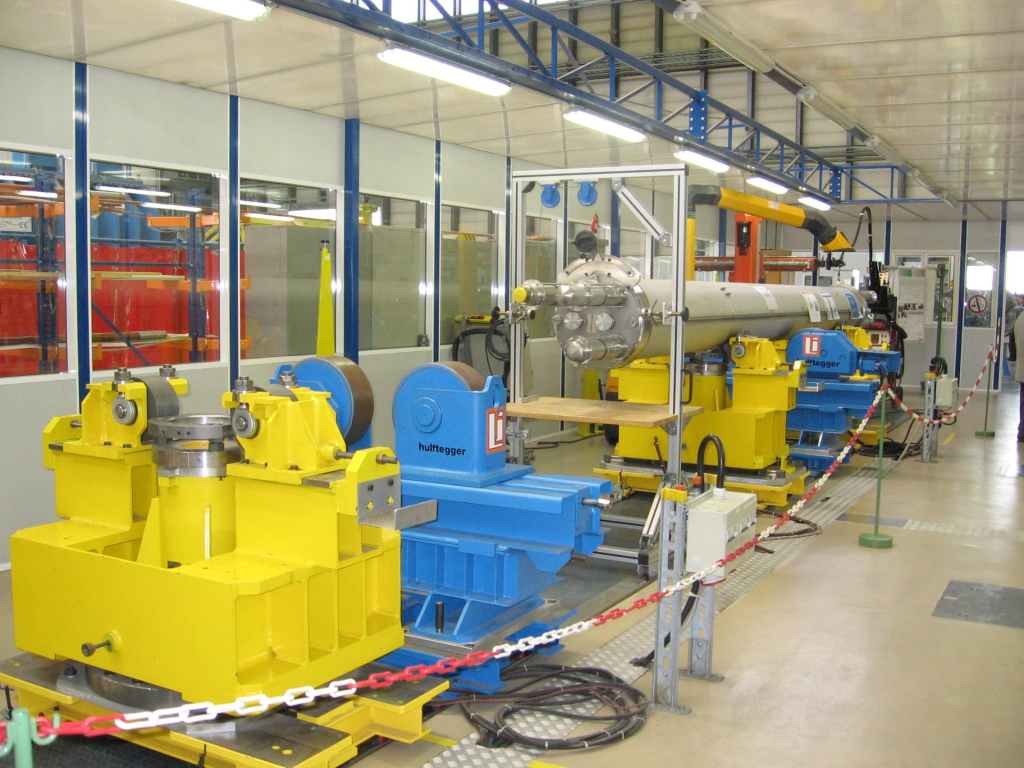
The cost of magnet processing originates from the synergy of raw materials, energy consumption, labor, and yield efficiency. People looking for the cost of magnetic materials are normally comparing prices among vendors, materials, or designs. Cost discrepancies may not always be due to the magnetic properties of the materials but possibly according to how complex the processes are in magnet manufacturing.
Primarily, the cost of raw materials is the key pricing for magnets, particularly for rare earth magnets. This is because market instabilities in rare earth materials can lead to high price variability. This can happen when there are changes in the cost of materials and pricing structures offered by the supplier.
Sintering and heat treatment process-related energy consumption: Sintering and heat treatment process-related consumption of energy also form a cost-intensive process for the organization. High-temperature furnaces have longer cycles and tend to consume more electric or fuel power. Idle power loss also gets accentuated by inefficient scheduling.
Machining and finishing can often be the greatest controllable cost factor involved with magnet processing. Close tolerances, complicated shapes, and fine surface finish requirements increase machining time and tool life. Additional scrap losses also contribute to machining cost. Simplifications of magnet designs can help achieve cost reductions.
Coating and surface treatment require more processes and checks. High-level protection processes and labor costs are higher. In some uses, basic coatings are all that are needed. Coating processes need to correlate to exposure levels, so unnecessary expenses are avoided.
3. Factors Affecting Magnet Processing Costs
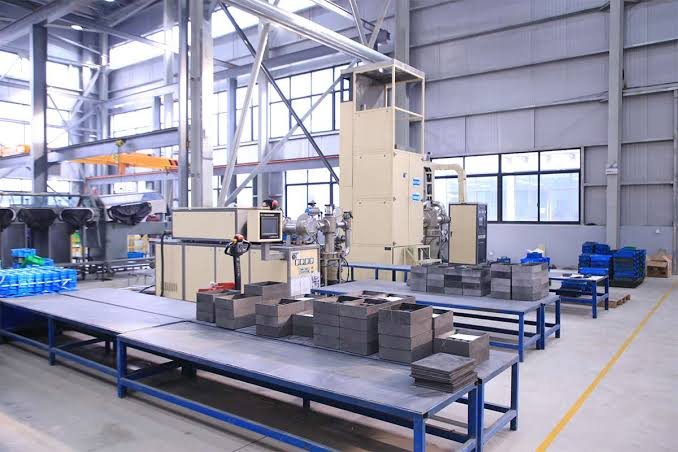
In magnet Magnet processing costs depend on a set of technological parameters, processing conditions, and processing requirements. These parameters tend to be interrelated; therefore, slight changes in technological parameters can influence processing costs greatly. This awareness enables manufacturers to focus their cost reduction efforts on the right parameters.
Material Type and Grade
The processing parameters vary according to the type of magnets. The processing of rare-earth magnets is more expensive owing to the need to handle them in a specific atmosphere. As the grade increases, the processing parameters also need to meet specific standards. This makes the processing parameters more expensive to meet.
Geometry, Size, & Shape
Magnet shape is an important factor that affects machining difficulty and results.Thin magnet sections, corners, and holes make the magnets more prone to breakage.Large magnets consume more energy,making machining expensive. Too small magnets make machine handling and inspection expensive as well.
Dimensional & Magnetic Tolerances
Strict dimensional tolerances involve further grinding and inspection. Every increased tolerance adds to the grinding and rejection time. Magnetic tolerances, like magnetic flux, tend to complicate the inspection tests. Over-specified conditions are quite prevalent and expensive.
Surface Finish & Coating Requirements
The thickness, type, or uniformity of the coatings also affects processing cost. The upgraded coatings are more robust but require more material, as well as more time. For certain uses, simpler coatings are possible without reducing robustness.
Producing Volume & Scheduling
There are additional costs involved in doing lower or sporadic orders. Changeover activities hamper efficient manufacturing. It is possible to automate and control costs with high volume and stability. Volume planning is thus an important cost-driver.
Quality Standards & Compliance
Customer-specific standards drive the need for inspection, documentation, and testing requirements for customers. These indirect expenses grow with production. Excess standards require standards to align with risk.
Tooling and Equipment
Magnet materials tend to be hard, brittle, and ab raive, thereby causing accelerated wear on cutting tools and grinding machinery. This means that replacing tools is common, thereby contributing to additional costs, lost productive time, and reduced dimensional accuracy. Tooling practice, therefore, directly affects processing costs.
Process Yield and Scrap Rate
The process yield is Yield loss is among the least understood cost drivers in magnet processing. Cracks, chipping, alignment issues, and coating problems may make magnets unusable after considerable investment. High scrap rates force producers to raise output to satisfy delivery commitments. Increased yield is a direct means of cutting magnet cost.
Handling, Packaging, and Risk of Damage
Magnets are brittle and may chip or break easily when handling them. Other handling processes are also associated with labor and breakage costs. Magnetized components may also need special handling in packages to avoid defects due to magnetization.
Supply Chain Stability and Lead Time
From a management point of unstable supply chains add to processing cost by expedited shipments, holding inventory, and shutdowns. Long and arbitrary lead times add to the inefficiency of scheduling and overhead costs. Reliable availability of materials enables improved planning of batch processing and use of furnaces. Hence, stable supplies have an important role in managing costs.
4. Several Methods to Reduce Magnet Processing Costs
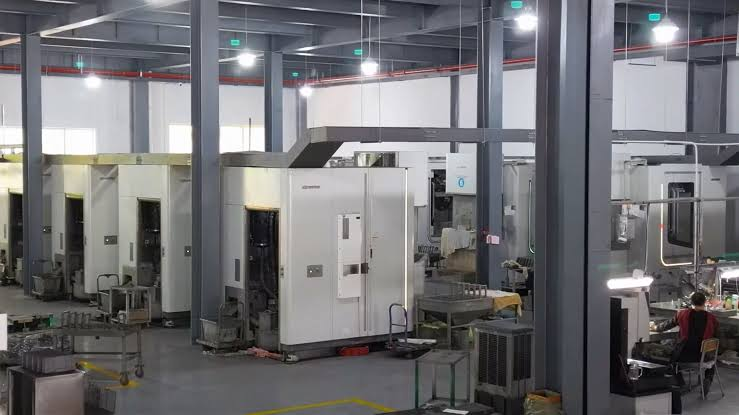
Magnet processing cost reduction requires a methodical approach. Cost-saving attempts that reduce quality will only lead to inefficiencies that need to be removed. The techniques listed below can be found in the magnet industry. Each method deals primarily with cost management and does not affect performance.
Enhance Design for Manufacturability
The use of standard shapes and sizes in designing magnets saves on the cost of tools and machining. The simpler the shape of the magnet, the better the yield rate. There are no costly redesigns when designers and manufacturers meet early in the project. Such measures lower the cost even before it goes to production.
Correlate Magnet Performance with True Need
Often, magnets are overspecified relative to safety margins which never need to be realized. Matching the magnet grade with the actual application can cut material and processing costs. Technical requirements should be based on facts rather than assumptions. This alone can result in costs being cut.
Reduce Secondary Processing
Near-net-shape manufacturing reduces grinding and cutting. Secondary processing is reduced, leading to reduced labor, tooling, and energy consumption. Less processing also leads to increased yield. All this increases the magnetic material price.
Enhance Process Automation
Automation saves labor and damage due to handling. Automation of inspection enhances repeatability and repeatability. Although automation involves high initial investment costs, its long-term costs are reduced. Automation works best for high-volume production.
Optimize Coating Selection
Standard coatings are more rapid and economical to apply compared to custom-made coatings. Varying coating thicknesses should be representative of actual usage in the environment. Over-coating is just an additional cost with no extra value. “Simplification shortens production time.”
Strengthen Supplier Collaboration
Experienced suppliers may find substitutes for materials or processes that lower costs. Partnering fosters joint optimization. Better communication prevents miscommunication, which leads to rework. Together, costs and quality performance improve.
5. Will Reducing the Manufacturing Cost of Magnets Affect Their Strength?
Lowering the price of magnet manufacturing will not necessarily mean that weaker magnetic strength will be achieved. This is due to the fact that a considerable amount of savings may actually involve eliminating inefficiencies in processing. This is apart from considering savings that may lower material quality. Even if savings are pursued, one still has to determine structural versus avoidable costs.
One of the things that worry many users is the belief that since the new costs were low, the materials used were of poor quality. Although substitution can result in costs being lowered, this issue should be considered with caution and full understanding of the application usage. The only problem that might occur is if the materials are degraded below the functional level.
Often, magnets will be specified well beyond their needs in order to provide ample safety margins. These margins will frequently be based on worst-case assumptions and not on actual operating parameters. manufactures will often have the ability to specify magnets of lower remanance based on an analysis of operating data concerning loads, temperatures, and cycles.
Processing steps are also a big determinant of final magnetic strength. Getting the powder properly aligned, properly sintered, and properly heat-treated is far more important than the cost of the material. Where these steps can be controlled better, there is a good chance that manufacturers can achieve a lower nominal strength with reduced risk of failure.
Yield enhancement is also one of the means of cutting down costs without impairing the magnets. High scrap rates require compensatory measures in the use of magnet grades or tolerances. As a result of enhancing yield, the variance of effective magnet strength diminishes. However, over-aggressive cost-cutting techniques can have a negative effect on strength where necessary processing steps are eliminated or shortened. Skipping heat treatment, sintering time reductions, or reducing the quality controls of magnetization can produce non-uniform magnetization. While these methods do not cause problems right away, a loss of strength can manifest after subsequent applications of heat, vibration, and actual use.
Conclusion
Minimizing the price tag of processing magnets is depends on comprehension of how these are made and where actual cost exists. Every aspect of their production, be it material procurement through coating, gives room for improvement when working towards reducing overheads. Simplicity in design, practical expectations, and higher yields are where actual cost savings can be achieved through design and better partnership with suppliers. When it comes to cost optimization, magnets stay robust, dependable, and consistent. Smart choices minimize the cost involved during production without impacting performance. This is critical for the long-term competitiveness of industries dependent on magnets.



 English
  Spanish
  French
  Italian
  Portuguese
  Arabic
  Turkish
  Chinese
  Vietnamese
  Thai
Thai  Japanese
  Korean