

Table des matières
Magnetic resonance imaging (MRI) depends entirely on magnet technology. Anyone searching for this topic usually wants to understand how magnets influence MRI performance, image quality, cost, and patient comfort. Buyers, technicians, engineers, and students rely on this knowledge to make informed decisions.
Magnets define every capability of MRI systems from clarity and contrast to patient comfort and diagnostic accuracy. Choosing the right magnet is the most crucial step when purchasing MRI equipment. This guide takes a deep dive into every aspect of magnet usage, offering comprehensive insights in short, readable paragraphs.
1. What is Magnetic Resonance Imaging?

MRI is a medical imaging technique that uses strong magnetic fields and radio waves to create detailed images of internal organs and tissues. Unlike X-rays or CT scans, it does not rely on ionizing radiation, making it safer for repeated use. MRI is especially useful for visualizing soft tissues such as muscles, ligaments, nerves, and organs.
Hydrogen atoms in the human body act like tiny magnets. When placed inside a strong magnetic field, these atoms align predictably. Radiofrequency pulses disturb this alignment, and as the atoms return to equilibrium, they release energy that the MRI machine captures and converts into images.
The clarity of MRI images depends on the magnetic field’s strength and uniformity. Stronger, stable magnets produce sharper, higher-resolution images, while weaker fields yield lower detail. This is why magnets are the most critical component of any MRI system.
MRI is widely used in neurology, orthopedics, cardiology, oncology, and gastroenterology. Advanced techniques such as functional MRI (fMRI), spectroscopy, and diffusion imaging depend entirely on precise magnetic performance, highlighting the central role of magnets in both clinical and research applications.
2. Roles of Magnets in Magnetic Resonance Imaging Equipment
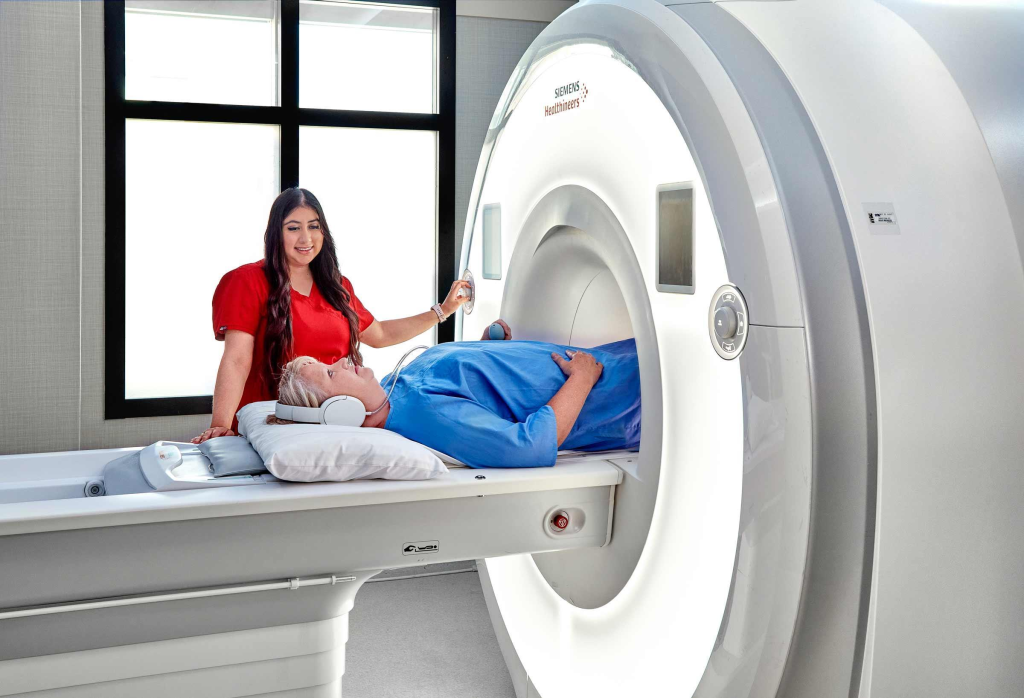
Magnets are the core component of MRI systems. Their roles determine image quality, scan speed, patient comfort, and machine functionality. Below, the roles are broken down for easy scanning.
Primary Magnetic Field Creation
The main magnet generates the B0 field that aligns hydrogen atoms in the body. This alignment is the foundation for all MRI imaging, as it allows hydrogen atoms to produce detectable signals. Without a stable primary field, MRI images would be noisy or unusable.
Signal Strength and Image Resolution
Stronger magnets create higher signal-to-noise ratios, improving the sharpness and clarity of images. This allows radiologists to detect small lesions, subtle tissue changes, or early disease indicators. High signal strength also reduces the number of repeated scans.
Gradient Field Control
Gradient magnets slightly alter the main magnetic field to select slices, depth, and orientation for imaging. These gradients allow precise 3D imaging and multi-planar reconstruction. They are essential for capturing detailed cross-sectional views of organs and tissues.
Patient Comfort and System Design
Magnets influence whether an MRI system is open, semi-open, or closed. Open designs enabled by permanent magnets improve comfort for claustrophobic or pediatric patients. Magnet design also affects noise levels and scan duration, which directly impacts patient experience.
Functional and Advanced Imaging Support
Stable, high-field magnets allow advanced imaging techniques such as fMRI, diffusion-weighted imaging, and spectroscopy. These applications are critical in research, neurological studies, and cancer diagnosis. The magnet’s precision ensures reliable and repeatable results.
Safety and Room Planning
Magnets generate strong magnetic fields that require shielding and careful planning. Properly designed magnetic fields reduce risk of accidents involving metallic objects. Room layout, patient positioning, and equipment safety all depend on magnet behavior.
Supporting Radiofrequency Coils
The magnet provides the stable environment that radiofrequency coils need to transmit and receive signals effectively. Any variation in the magnetic field can distort signals, lowering image quality. This makes the magnet the backbone of both signal generation and reception.
3. Advantages and Disadvantages of Using Permanent Magnets in MRI Equipment
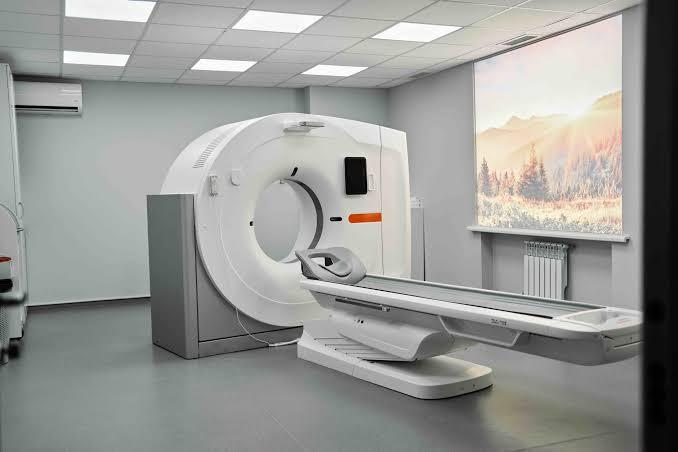
Permanent magnets create magnetic fields using naturally magnetic materials, without the need for electricity. They are most common in low-field MRI systems and offer cost-effective solutions, particularly in outpatient clinics and regions with limited infrastructure.
Advantages of Permanent Magnets
Permanent magnets offer excellent energy efficiency. They do not require external power to maintain their magnetic field, which significantly reduces running expenses. This is ideal for small clinics or diagnostic centers hoping to minimize monthly power consumption.
They also support open MRI designs. These systems reduce patient claustrophobia because the scanning area is more spacious and less intimidating. Open designs make MRI more accessible for children, elderly patients and people with anxiety.
Permanent magnets are stable and reliable. Their magnetic field does not fluctuate due to power issues, which improves operational simplicity. Facilities in regions with unreliable electricity often prefer permanent magnets for this reason.
Low Operating Costs
Permanent magnets do not require electricity to maintain magnetic strength. This reduces monthly operational expenses and provides reliable performance even in areas with unstable power supply.
Additionally, their energy efficiency ensures steady imaging without the need for costly electrical upgrades or complex backup systems.
Helium-Free Technology
Permanent magnets eliminate the need for liquid helium or cryogenic cooling. This avoids helium shortages, reduces maintenance complexity, and eliminates handling risks.
By removing cryogens from the equation, facilities also reduce environmental hazards and simplify safety protocols during installation and operation.
Lower Installation Requirements
These magnets require less room shielding and no complex cooling infrastructure, reducing setup costs.
Their flexibility allows installation in older buildings or remote clinics that lack specialized facilities, making MRI technology accessible in more locations.
Open MRI Designs
Permanent magnets allow open or semi-open MRI layouts, improving patient comfort.
Open designs also make it possible to scan patients in upright or partial positions, which is particularly useful for orthopedic evaluations and interventional imaging procedures.
Stable Field Over Time
Once manufactured, permanent magnets provide consistent magnetic strength, ensuring steady imaging performance.
This stability allows facilities to perform routine scans reliably without frequent recalibration or specialized maintenance.
Reliable in Low-Power Environments
Permanent magnets can function normally even with limited electrical infrastructure.
This makes them ideal for developing regions, rural clinics, and mobile imaging units where power reliability is a concern.
Disadvantages of Permanent Magnets
Permanent magnets provide relatively low magnetic field strength. This limits image resolution and scan speed. They are suitable for general imaging but not ideal for advanced neurological or vascular examinations requiring high sensitivity.
Permanent magnets are physically heavy. High-grade magnetic materials weigh a lot, making the equipment difficult to transport or install. Rooms must be reinforced to handle the load, increasing installation cost.
Their imaging capabilities are limited by their lower magnetic intensity. Complex cases requiring ultra-fine detail may not benefit from permanent magnet systems. Hospitals with high patient volume often avoid them due to slower scanning times.
Lower Field Strength
Permanent magnet MRI systems typically operate between 0.2T and 0.5T.
This limits image resolution and can make it harder to detect subtle abnormalities, requiring additional sequences or scans for accurate diagnosis.
Longer Scan Times
Lower magnetic strength produces weaker signals, requiring longer scan durations to generate usable images.
Extended scan times can cause patient discomfort, especially in pediatric or elderly populations, and reduce the number of patients scanned daily.
Less Suitable for Advanced Imaging
Techniques such as fMRI, spectroscopy, and diffusion tensor imaging require stronger fields, which permanent magnets cannot provide reliably.
Facilities relying on permanent magnets may need to refer complex cases to high-field hospitals, limiting diagnostic independence.
Heavy and Bulky Design
Permanent magnets are physically dense and require reinforced floors for installation.
Transporting and installing these magnets can be complex and costly, often needing cranes or specialized moving equipment.
Limited Upgrade Potential
Once manufactured, permanent magnets cannot be strengthened or modified.
This limits long-term adaptability, meaning facilities may need to replace the system entirely to meet future imaging demands.
Reduced Commercial Demand
Hospitals increasingly prefer high-field systems for advanced diagnostics, reducing the market demand for permanent magnet units.
This affects resale value and can make upgrading or selling the equipment later more difficult.
4. Applications of Magnets in Magnetic Resonance Imaging
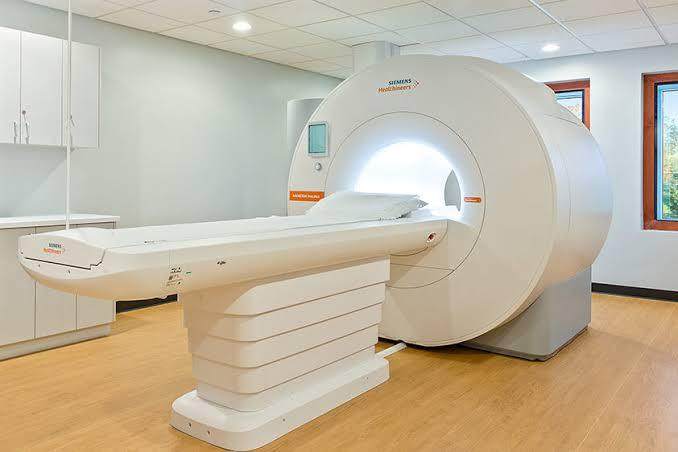
Magnets serve multiple functions in MRI beyond simply aligning hydrogen atoms. Their applications span clinical diagnostics, research, portable imaging, and patient comfort.
Primary Magnetic Field Alignment
Magnets generate the main magnetic field that aligns hydrogen atoms. Without this, no usable signal or image could be produced.
Image Contrast and Quality Enhancement
Stronger magnets increase contrast between soft tissues. This is essential for detecting tumors, cartilage injuries, brain lesions, and subtle vascular abnormalities.
Functional MRI (fMRI) and Brain Mapping
High-field magnets support fMRI by measuring blood oxygenation changes, allowing researchers and surgeons to study brain activity and plan interventions.
Diffusion and Molecular Imaging
Magnetic gradients enable diffusion-weighted imaging, tracking water molecule movement in tissues. This is critical in stroke diagnosis, cancer detection, and neural pathway studies.
Precise 3D Reconstruction
Lorem ipsum dolor sit amet,
Gradient magnets allow accurate slice selection from multiple angles. These slices are combined into 3D models for surgical planning and anatomical visualization.
Open MRI for Special Patient Groups
Open MRI layouts are ideal for claustrophobic, obese, pediatric, or trauma patients. Permanent magnets facilitate these designs without sacrificing general imaging capability.
Portable and Bedside MRI Systems
Compact magnets allow MRI machines to be used in emergency rooms, intensive care units, and rural clinics, bringing imaging directly to patients.
Ultra-High-Field Research Imaging
Superconducting magnets operating at 7T or higher reveal cellular structures and microvascular systems, providing cutting-edge research opportunities.
Real-Time Imaging During Movement
Some MRI systems allow imaging of joints or organs during motion. Stable magnets ensure signal consistency, which is vital for orthopedic and sports medicine studies.
5. When Purchasing MRI Equipment, What Type of Magnet Should Be Selected?
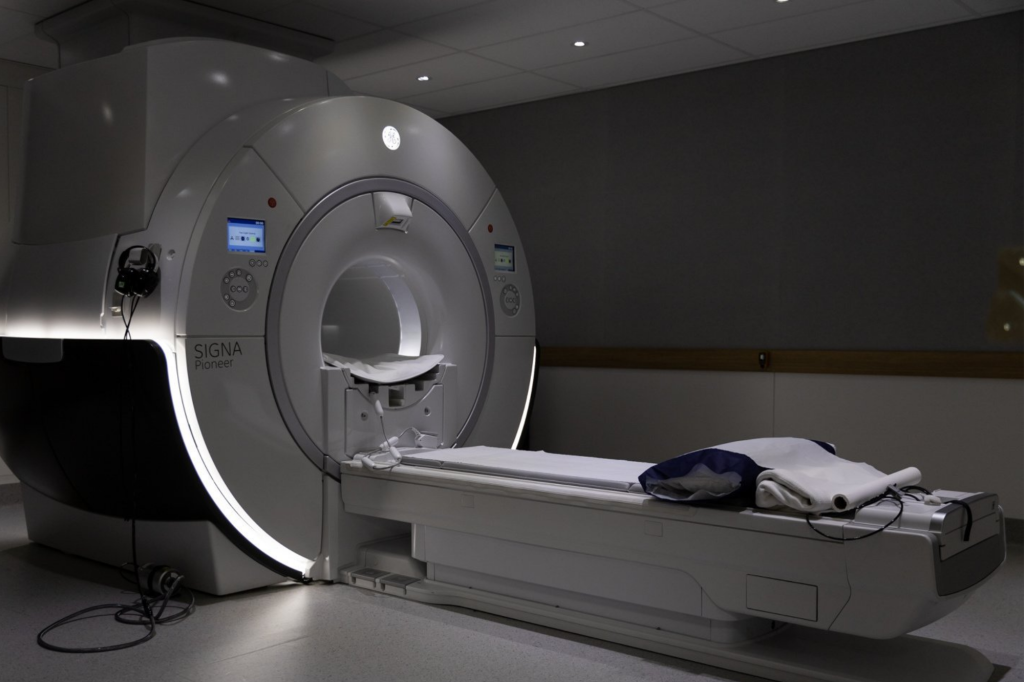
Choosing an MRI magnet depends on clinical needs, budget, space, and patient population. Each type of magnet has advantages and limitations that influence operational costs, image quality, and future upgrades. Careful assessment is essential before making a purchase.
Superconducting electromagnets offer high field strength, fast imaging, and advanced diagnostic capabilities. They are ideal for neurology, oncology, and cardiology departments but require significant investment, space, and cooling infrastructure. Their high-resolution images and support for advanced techniques make them indispensable for specialized centers.
However, superconducting systems often need a dedicated maintenance team and a continuous supply of liquid helium, which can impact long-term operational costs. Despite this, their ability to perform functional MRI or spectroscopy provides diagnostic options not possible with other magnet types.
Permanent magnets are suitable for clinics with lower budgets or general imaging needs. They reduce operational costs, are easier to maintain, and allow open MRI designs for improved patient comfort. Open MRI systems are particularly beneficial for patients with claustrophobia or those needing frequent follow-up scans.
These systems also have lower energy consumption and can be installed in smaller rooms without extensive cooling systems. This makes them adaptable to outpatient settings or clinics with limited infrastructure. However, image resolution is lower compared to high-field superconducting systems.
Mid-field magnet systems balance cost and performance. They provide better image quality than low-field systems without the high operational demands of superconducting machines. This makes them ideal for growing hospitals or multi-specialty centers.
Mid-field systems offer a compromise between patient comfort and diagnostic capability. They allow a wide range of examinations without the prohibitive costs of high-field units. They are often preferred where both quality and affordability are needed.
Conclusion
Magnets are the foundation of MRI technology, shaping image quality, scan speed, diagnostic accuracy, and patient comfort. Choosing the right magnet ensures medical facilities can deliver precise, reliable, and safe imaging services.
Permanent magnets offer affordability, open designs, and energy efficiency but are limited in advanced imaging. Electromagnets provide superior image quality, faster scans, and support advanced techniques, though they require higher investment and maintenance. Understanding the advantages, disadvantages, and applications of each magnet type allows facilities to select the MRI system that best fits their clinical needs, budget, and future growth.





 French
  English
  Spanish
  Italian
  Portuguese
  Arabic
  Turkish
  Chinese
  Vietnamese
  Thai
Thai  Japanese
  Korean