

Table des matières
The use of magnetic anti-theft systems is an essential part of protecting supermarket stock. Retail theft and other forms of theft have been increasing at a rate that is challenging supermarket security. The use of magnetic anti-theft systems provides a balance between supermarket protection and a pleasant experience for supermarket customers. This is because theft prevention does not necessarily entail advanced technology.
People researching this topic usually have a clear purpose. They may be evaluating suppliers, training staff, solving tag failures, or creating technical content for buyers. Understanding how magnets work inside anti-theft tags helps reduce losses, improve checkout efficiency, and extend equipment lifespan. This article explains the subject from a real supermarket and magnetic industry perspective.
1. What Are Magnetic Anti-Theft Tags

Magnetic anti-theft tags are reusable devices which are fixed on merchandises to prevent theft. These tags have internal magnetic functions that ensure the tag is secured and will not come off easily. Once the tag is fixed, it is impossible to remove using human effort and tools.
These tags are intended for long-term use. This is because their magnetic parts are designed to support many cycles of attachment and separation. This is one key reason why supermarkets often prefer magnetic anti-theft systems. These products do not require regular replacement.
Supermarkets are characterized by high traffic and continuous movement of the product being tracked. Magnetic theft-recovery tags are particularly suited for such environments because they retain their effectiveness despite frequent product handling. Unlike adhesive stickers, their effectiveness is not affected by moisture and dust in the environment or variations in temperatures.
In financial respects, magnetic tags save costs in the long run. For example, even though the tags may seem expensive initially, the costs are reduced by the fact that they can be reused. Additionally, supermarkets can benefit greatly due to fast cashiering carried out by magnetic detachers.
A magnetic anti-theft system is made up of several coordinated components. These include the magnetic tag, the magnetic detacher, and the electronic detection gates. Each element relies on magnetic interaction to function correctly. Failure in one component weakens the entire system.
The magnetic tag provides physical security at the product level. Detection gates identify active tags leaving the store. Detachers control when and how tags are released. Together, these components create a controlled security loop.
Magnetic Anti-theft Tags are employed in items prone to theft. These items include alcoholic beverages, cosmetics, baby formula, meat, and high-end groceries. Also, items that are considered small, of great value, and easy to resell are mainly targeted. Magnetic Tags are used in these items without interfering with packaging.
2. What Role Do Magnets Play in Anti-Theft Tags?

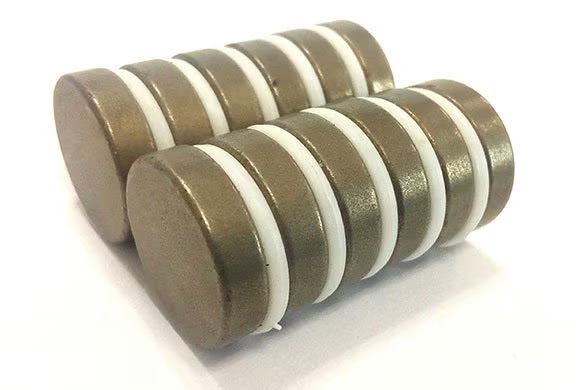
The magnetic locking system is the core of an anti-theft tag. Within the tag, a permanent magnet retains metal parts such as ball bearings or locking pins. Because of the magnetic field, the locking pin will not move freely. Consequently, the tag will remain locked on the item.
Magnetic detachers are specialized tools designed to release magnetic anti-theft tags. They generate a magnetic field stronger or differently oriented than the tag’s internal magnet. When the tag is placed on the detacher, the internal locking components shift. This allows the pin to disengage smoothly.
The release process is fast and requires minimal effort from staff. This speed is important during busy checkout hours. Only authorized detachers can release the tag correctly. This controlled release prevents misuse and theft.
Magnetic strength must be carefully balanced for effective performance. If the magnetic force is too weak, the tag may detach accidentally. This creates security gaps and operational problems. If the force is too strong, removal becomes difficult and slows checkout.
Manufacturers test magnetic strength extensively before production. They select magnet grades that provide consistent force over time. Stability is essential for long-term use. Balanced magnetic strength ensures both security and efficiency.
Magnet alignment inside the tag directly affects performance. Even slight misalignment can reduce locking force or cause inconsistent release. This is why internal design precision is critical. High-quality tags use reinforced housings to keep magnets stable.
Proper alignment also protects magnets from shifting due to impact. Supermarket environments involve frequent drops and collisions. Strong internal design ensures reliability despite rough handling. Precision engineering separates premium tags from low-quality alternatives.
3. What Types of Magnetic Anti-Theft Tags Are There?

Hard Magnetic Anti-Theft Tags
Hard magnetic tags are rigid, reusable security devices commonly used in supermarkets. They contain strong permanent magnets housed in durable plastic shells. These tags are highly visible but extremely reliable. Their strength makes them suitable for general merchandise.
They are often used on packaged foods, household goods, and boxed products. Their long service life offsets their initial cost. Supermarkets favor them for high-volume applications. Durability is their main advantage.
Soft Magnetic Security Labels
Soft magnetic labels are thin and flexible security solutions. They are usually embedded inside packaging or applied beneath product labels. Their discreet nature makes them visually unobtrusive. Customers often do not notice them.
These labels rely on magnetic response at detection gates rather than physical locking. At checkout, they are deactivated instead of removed. This makes them suitable for disposable packaging. They complement hard tag systems well.
Magnetic Bottle Tags
Magnetic bottle tags are specifically designed for beverage protection. They clamp securely around the bottle neck using magnetic force. Alcohol theft is a major concern for supermarkets. Bottle tags address this risk effectively.
Their design prevents twisting, pulling, or sliding removal attempts. The magnetic lock is strong yet releasable at checkout. This ensures product protection without damaging bottles. Bottle tags are a standard solution in liquor sections.
Mini Magnetic Tags for Small Items
Mini magnetic tags are compact security devices used for small products. Despite their size, they contain carefully engineered magnetic mechanisms. These tags provide strong security while remaining discreet. Size reduction does not mean reduced protection.
They are ideal for cosmetics, razor blades, and specialty foods. Advanced magnet layouts maximize locking force in limited space. Mini tags balance aesthetics and security. They are popular in premium product categories.
Specialty Magnetic Tags
Specialty magnetic tags combine magnetic locking with additional detection technologies. Some integrate RF or AM elements for enhanced security. This creates dual-layer protection against theft. These tags are used for high-risk products.
Supermarkets use specialty tags where losses are significant. The added protection improves detection accuracy. While more expensive, they reduce shrinkage effectively. Advanced magnetic design supports these hybrid solutions.
4. How to Remove the Magnetism from a Magnetic Anti-Theft Tag?

Authorized Removal at Checkout
Magnetic anti-theft tags are removed only at authorized checkout counters. Trained staff use approved magnetic detachers for this purpose. This controlled process ensures inventory security. It also prevents unauthorized removal.
Allowing free access to detachers increases theft risk. Supermarkets restrict detacher access carefully. Clear procedures protect both products and staff. Controlled removal is essential for system integrity.
How Magnetic Detachers Work
Magnetic detachers generate a focused magnetic field. This field interacts with the internal magnet inside the tag. When properly aligned, it causes the locking components to release. The pin disengages without force.
The process is quick and reliable. Staff can remove tags in seconds. This efficiency is crucial during peak hours. Magnetic detachers are designed for repetitive daily use.
Why Magnetism Is Not Permanently Destroyed
The magnet inside the tag is not permanently demagnetized during removal. Instead, the detacher temporarily overcomes its magnetic influence. Once removed, the tag retains its magnetic properties. This allows reuse.
Permanent demagnetization would increase costs significantly. Reusability is one of the biggest advantages of magnetic anti-theft tags. It reduces waste and replacement frequency. Magnetic retention supports sustainability goals.
Safety and Operational Considerations
Only trained staff should operate magnetic detachers. Improper use can damage tags or detachers. It can also cause delays at the checkout. Proper handling protects equipment.
There should be laid down operating instructions in supermarkets. The detachers should be well-mounted or controlled. Safety and efficiency can only be ensured with the correct procedures. Training reduces the risk in operational functions.
5. What Factors Can Cause Magnetic Anti-Theft Tags to Malfunction?
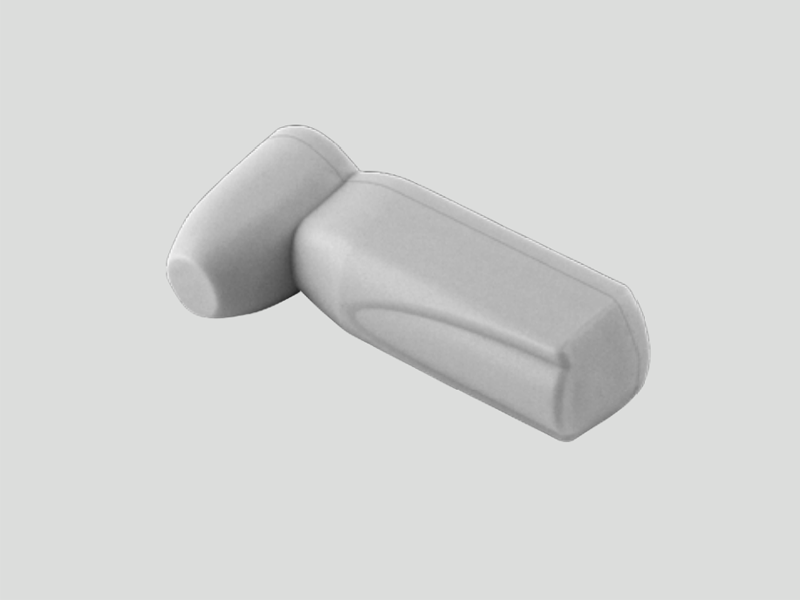
Magnetic Strength Degradation
Bad-quality magnets also have a tendency to degrade with time; the general name for this phenomenon is magnetic fatigue. Weakened magnets reduce locking reliability, meaning the tags may detach unintentionally.
Good magnetic material doesn’t deteriorate, though it is highly contingent on the selection of good suppliers. Long-term magnet performance rests on magnet grade; quality in selection will be critical.
Physical Impact and Internal Damage
Physical impact is a common cause of malfunction. Dropping or crushing tags can shift internal magnets. Even small alignment changes affect performance. Locking force becomes inconsistent.
Supermarkets with heavy handling face higher risk. Regular inspection helps identify damaged tags. Removing faulty tags prevents security gaps. Prevention saves money.
Detacher Compatibility Issues
Using incompatible detachers causes removal problems. The magnetic field may be insufficient or misaligned. This leads to partial release or jamming. Staff frustration increases.
Compatibility between tags and detachers is essential. Following manufacturer specifications avoids issues. Proper pairing ensures smooth checkout. Consistency improves efficiency.
Environmental Magnetic Interference
Strong external magnetic fields can interfere with tag performance. Industrial equipment or improper storage near magnets may cause problems. Although rare, interference is possible. Awareness is important.
Proper storage away from strong magnets prevents interference. Normal supermarket environments are usually safe. Simple precautions reduce unexpected failures. Environmental control supports reliability.
Human Handling Errors
Human error is a frequent cause of malfunction. Incorrect attachment reduces locking effectiveness. Rough handling accelerates wear. Mistakes happen under pressure.
Training staff reduces errors significantly. Clear procedures improve consistency. Good habits protect magnetic components. Human factors should not be ignored.
6. How to Maintain Magnetic Anti-Theft Tags?
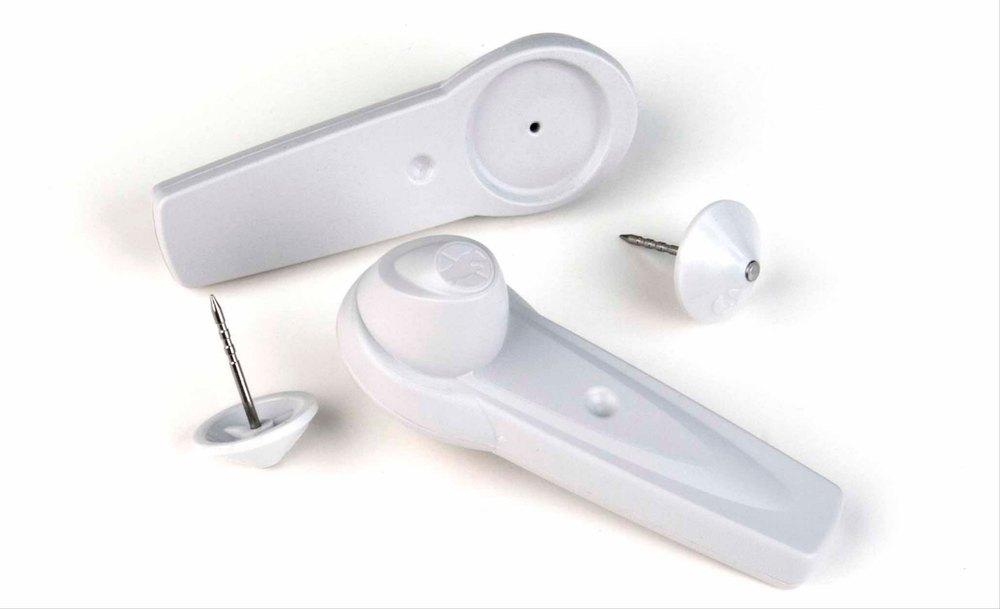
Routine Visual Inspection
Routine inspection helps identify issues early. Cracks, bent pins, or loose parts indicate damage. Early detection prevents losses. Inspection requires minimal effort.
Staff can perform checks during daily operations. No technical tools are needed. Consistency matters more than frequency. Simple routines improve reliability.
Proper Storage Practices
Proper storage protects magnetic alignment. Tags should be kept in organized containers. Random piling increases impact damage. Storage discipline matters.
Avoid storing tags near strong magnets or tools. Controlled environments preserve magnetic strength. Good storage extends lifespan. Organization reduces replacement costs.
Staff Training and Handling Guidelines
Staff training is essential for system reliability. Proper attachment and removal reduce wear. Gentle handling protects magnetic components. Training improves speed and confidence.
Clear guidelines reduce mistakes. Well-trained staff support smoother checkout flow. Customers experience faster service. Training benefits everyone.
Scheduled Replacement Planning
Magnetic anti-theft tags have a defined lifespan. Tracking usage cycles helps plan replacements. Proactive replacement prevents sudden failures. Planning improves budgeting.
Scheduled replacement is cheaper than emergency fixes. Predictability supports operations. Supermarkets maintain security continuity. Planning reduces downtime.
Supplier Quality and Material Choice
Supplier quality directly affects performance. High-quality magnets retain strength longer. Better materials reduce malfunction rates. Manufacturing precision matters.
Long-term reliability depends on material science. Investing in quality pays off. Security performance starts at the source. Supplier selection is strategic.
Conclusion
Magnets form the basis of shopping security tags. They ensure lock release, controlled release, and the potential for long-term reuse. The lack of magnetic technology would make current shopping security far less functional.
To improve decision-making in supermarkets, it is important to comprehend how anti-theft magnetic tags function. This aspect of their functioning enhances supermarkets’ performance by diminishing losses. One of the significant advantages of effective magnetic performance is confidence.


 French
  English
  Spanish
  Italian
  Portuguese
  Arabic
  Turkish
  Chinese
  Vietnamese
  Thai
Thai  Japanese
  Korean